
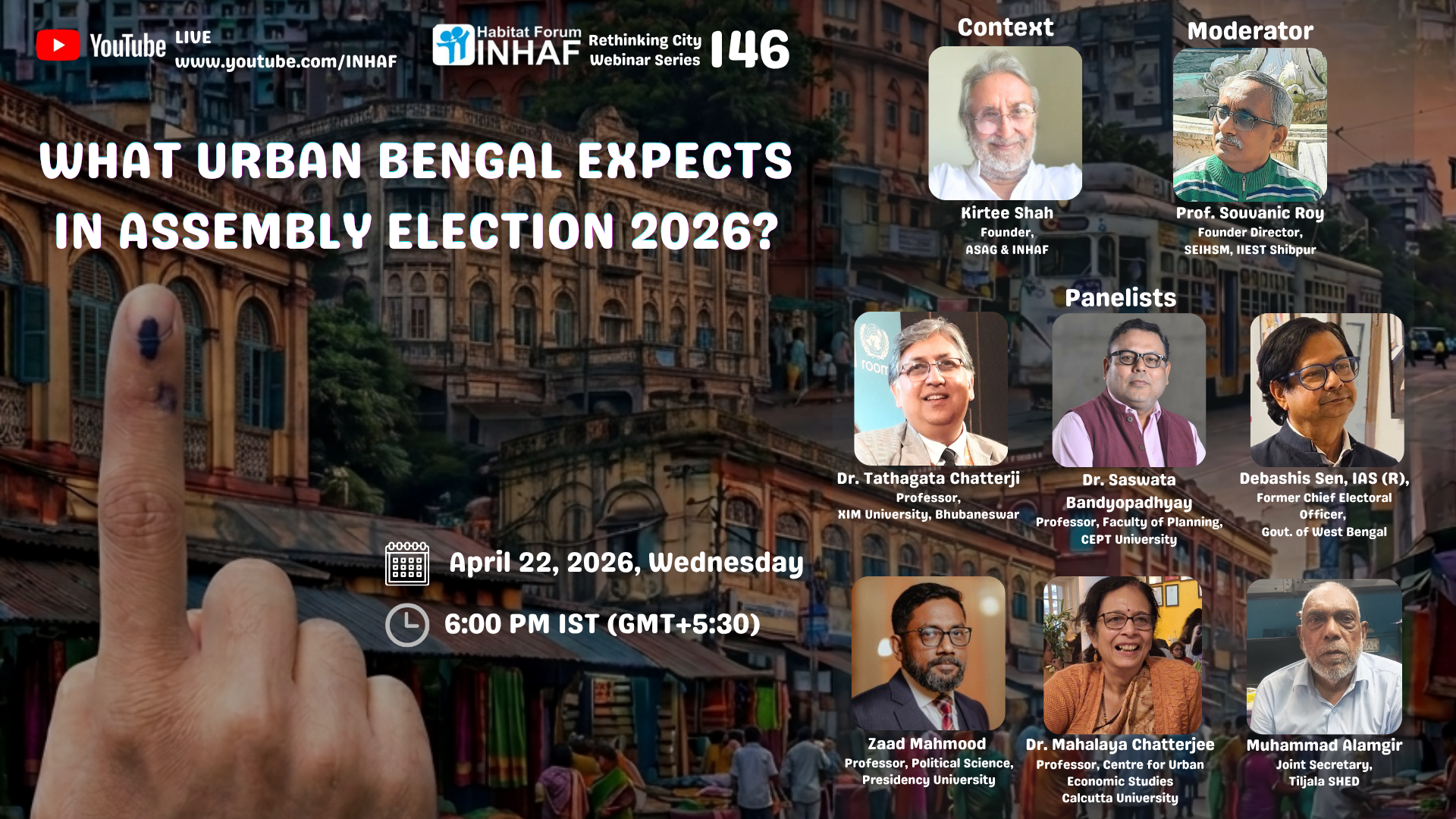
Speakers
-
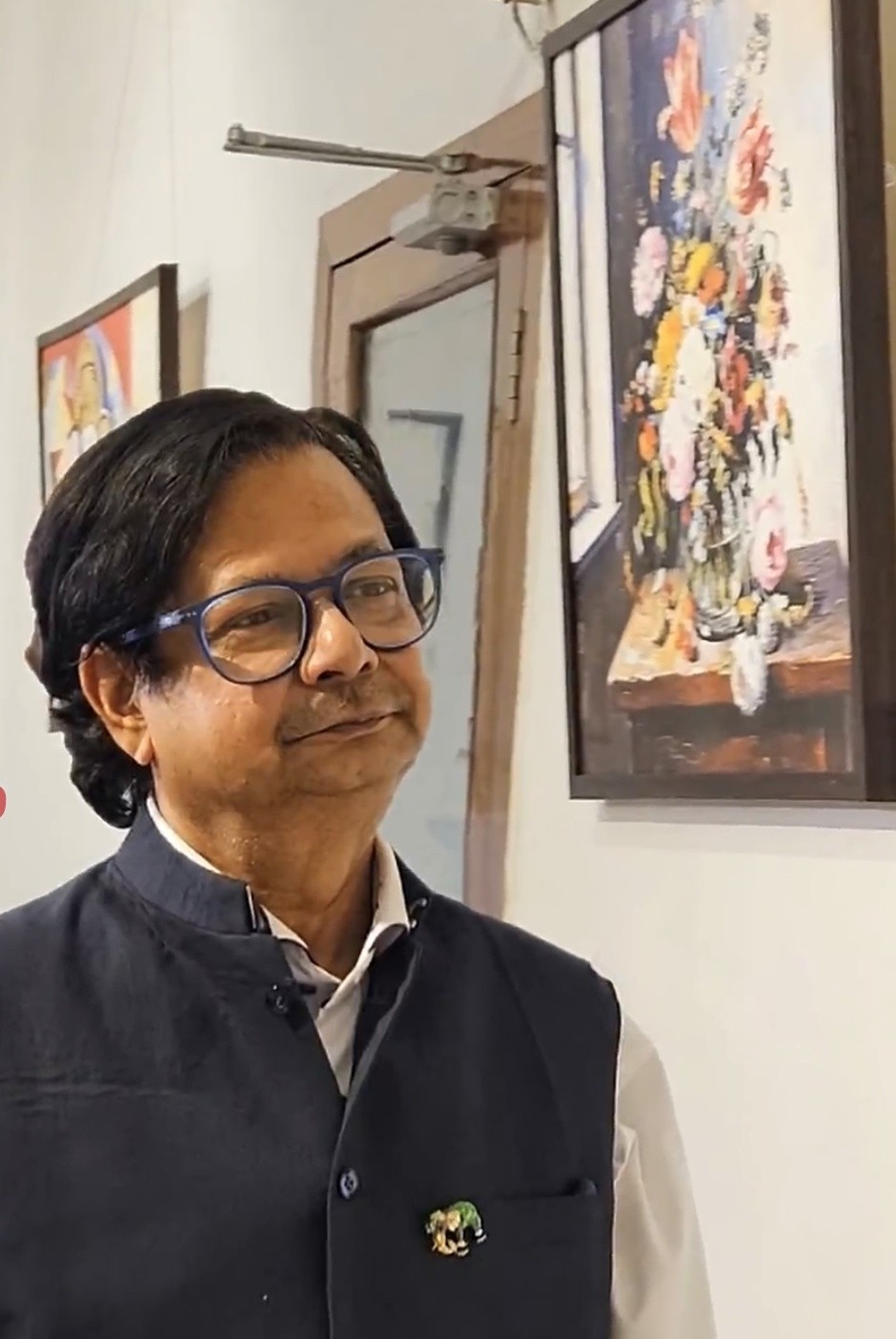 Debashis Sen, IAS (R)Former Chief Electoral Officer, Govt. of West Bengal
Debashis Sen, ex-IAS, is the former Additional Chief Secretary, IT Department, Government of West Bengal, and served for over a decade as Chairman of New Town Kolkata Development Authority, leading Smart City initiatives. An alumnus of École Nationale d’Administration (France), he is now Founder-Director of NBC Pvt Ltd, promoting AI adoption. He advises the Indian Chamber of Commerce, mentors startups, and is also a contemporary artist using generative tools.
-
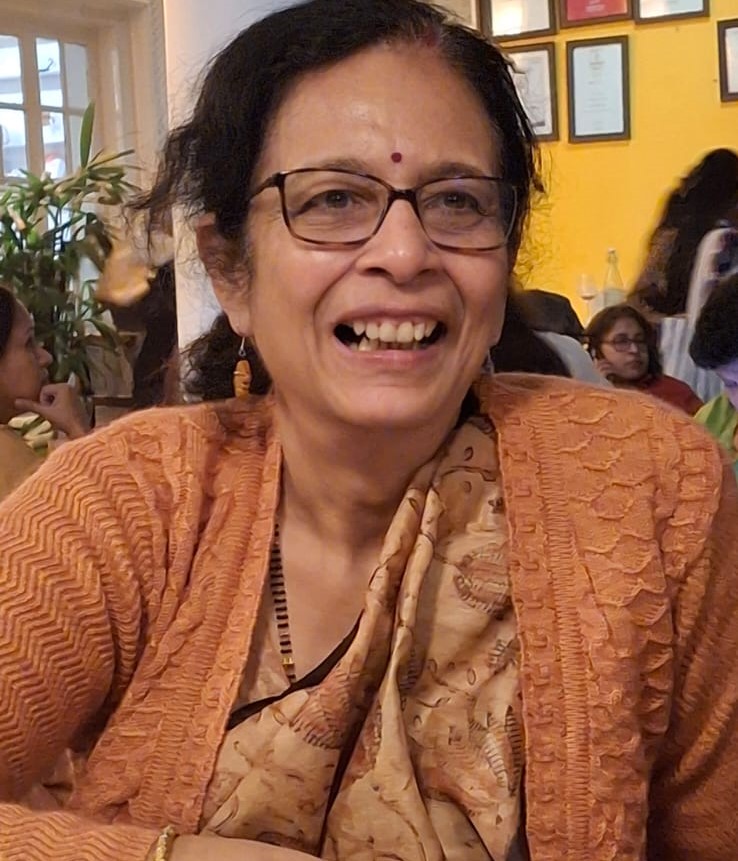 Dr. Mahalaya ChatterjeeProfessor, Centre for Urban Economic Studies, Calcutta University
Dr. Mahalaya Chatterjee is Professor of Urban and Regional Economics at Calcutta University and former Director of the Centre for Urban Economic Studies. With over three decades of experience, her work focuses on urban economics, land, and environmental management. She has authored books, edited volumes, and published extensively in national and international journals. She has held key academic and administrative roles, contributed to curriculum development, and is associated with several research institutions, advisory boards, and international academic bodies.
-
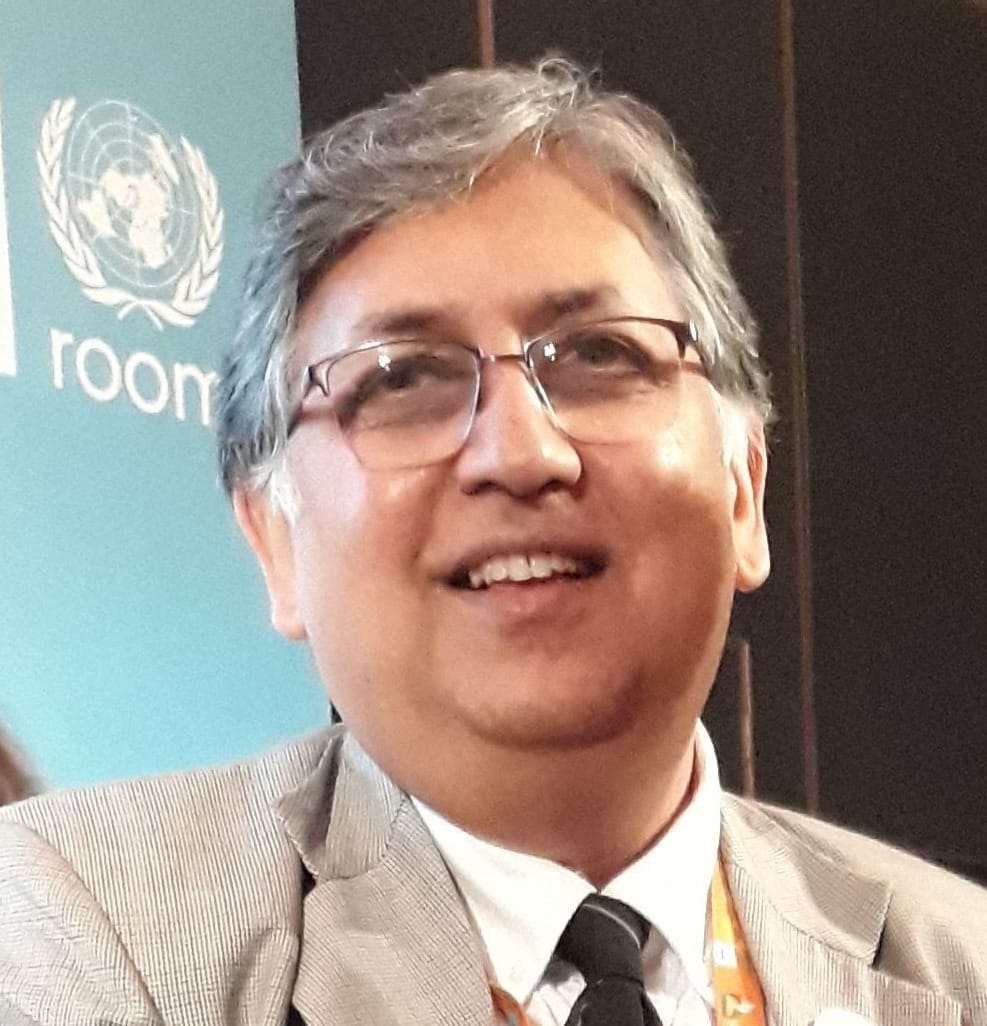 Dr. Tathagata ChatterjiProfessor, Xavier University, Bhubaneswar
Dr. Tathagata Chatterji is a Professor of Urban Management and Governance at XIM University, Bhubaneswar, where he concurrently teaches at both the School of Human Settlements and the School of Governance and Public Affairs. Broadly within the area of urban governance, his research interests include urban policies and institutions; digital technology applications in urban management; climate governance and social inclusion; and urban economy and informal livelihoods. A recipient of the Gerd Albers Award (2016) from ISOCARP (International Society of City and Regional Planners), Dr. Chatterji has written extensively on urban policy and governance in an international context. Presently, he is co-editing a book, City Economies in the Global South: Growth, Inclusion, and Sustainability, to be published by Routledge. He holds a PhD in Urban Planning and Governance from the University of Queensland, Australia.
-
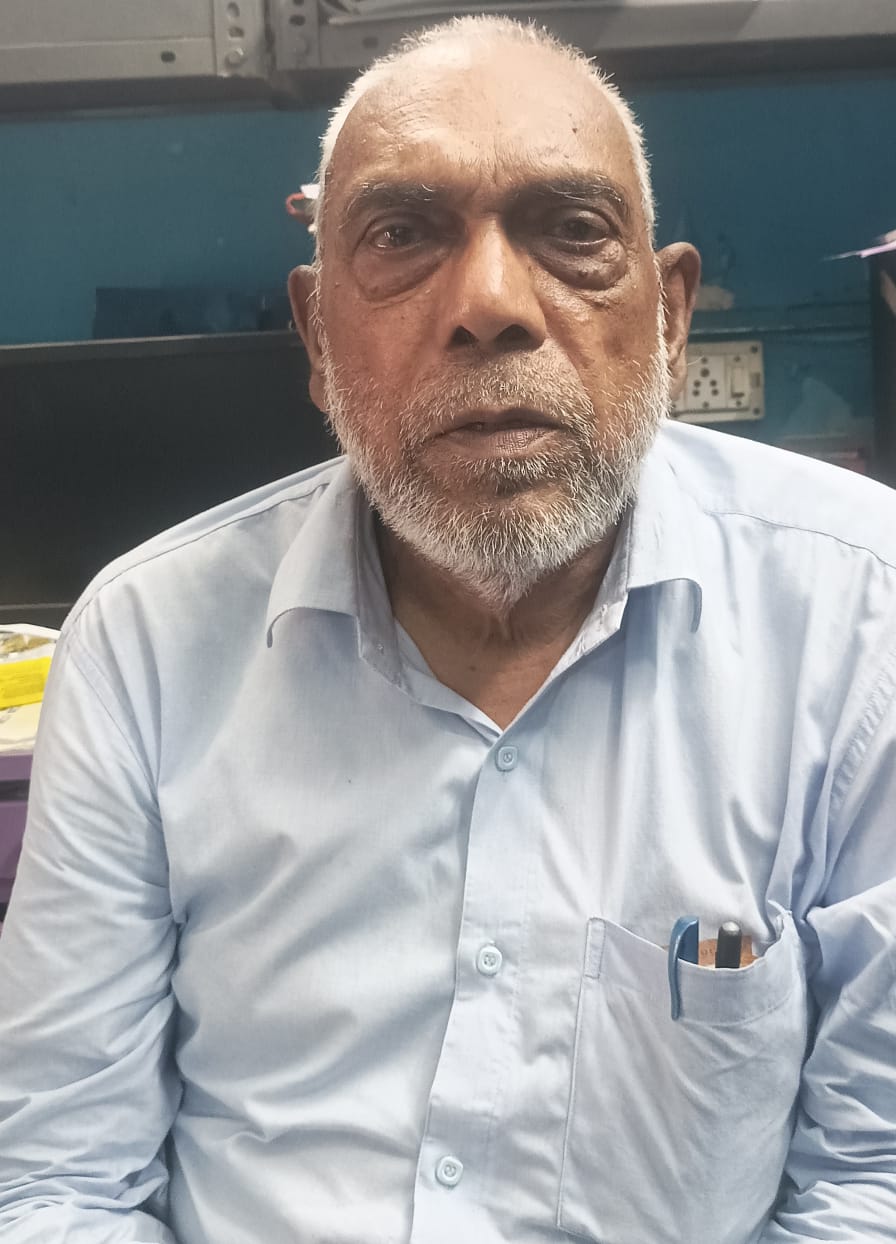 Muhammad AlamgirJoint Secretary, Tiljala SHED
Muhammad Alamgir, a lifelong resident of Tiljala, Park Circus, Kolkata, is a senior social worker and community leader with over four decades of experience in slum development. Educated at the University of Calcutta with a background in law, he has worked with government bodies, international agencies, and grassroots organisations. A former government primary school teacher, he now continues voluntary work, focusing on livelihoods, education, and improving basic services like water, sanitation, and housing for marginalized communities.
-
 Prof. Saswat BandyopadhyayProfessor of Urban Planning, CEPT University, Ahmedabad
Saswat Bandyopadhyay, is a civil engineer with advance qualifications in Urban Planning and Infrastructure Management. His ongoing doctoral research work focuses on Climate Change and Urban Vulnerability in India. He is presently a Professor and area chair of Infrastructure Planning program at the CEPT University. Saswat Bandyopadhyay has over 22 years of experience in the urban development sector in South Asia with a focus on city development planning and designing of environmental infrastructure. Since 2007, he has been spear heading urban capacity development activities in several Indian JNNURM cities in India, extending support in city development planning and infrastructure prioritization. As a team leader, he has been involved preparation and appraisals of several city and comprehensive development plans across various regions of India. He has also lead the roll out of National Urban Capacity Development initiatives such as RTP and RCBH under the JnNURM by Government of India. Saswat was also involved in several pan-asia pilot initiatives such as ADB Green Cities Toolkit in Asia, CDIA Localization of CIIPP Toolkits in India & Nepal, Piloting of World Bank Supported Cultural Heritage and Tourism Assets based City Development Strategies and Sustainable Tourism Assessment Toolkit for India Prof. Saswat has also worked extensively in the field of urban lakes and water resources management studies in South Asian context such as environmental management plans and strategies for East Kolkata wetlands, Bhoj wetlands among others. Saswat has also been a member of the working group set up by Planning Commission of India for 12th Five Year in 2012 as well as an expert committee member for National Development Council (NDC) Sub-Group on Urbanisation. He is presently member of the Expert Committee set up by Delhi Development Authority (DDA) for Green Delhi. Saswat has worked in India, Bhutan, Bangladesh, China, Nepal and in Pacific Island Countries.
-
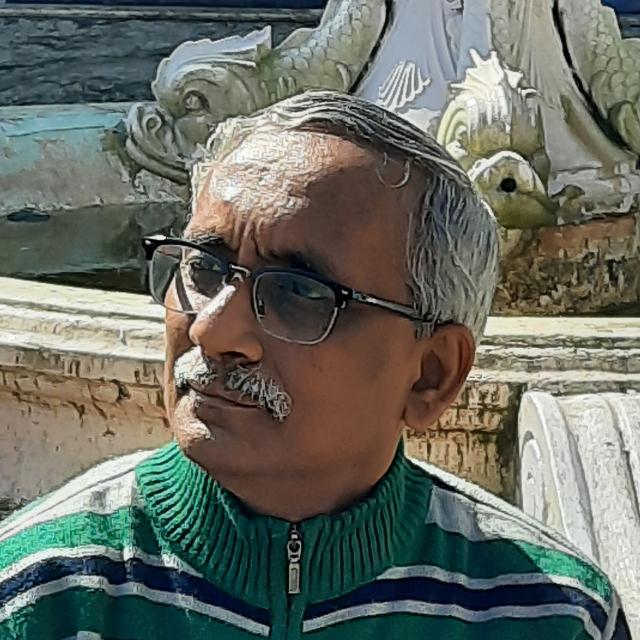 Prof. Souvanic RoyFounder Director, SEIHSM, IIEST, Shibpur
Dr. Souvanic Roy is Professor in the Department of Architecture and Planning and Founder Director of the School of Ecology, Infrastructure and Human Settlement Management at the Indian Institute of Engineering Science and Technology (IIEST), Shibpur, India. He is engaged in teaching, research, and advocacy in the areas of urban and environmental planning, conservation, climate change adaptation, and socio-ecological resilience in critical ecosystems.
He has coordinated a number of research and consultancy projects funded by national and international agencies and has published articles in books and international journals. He was Co-Investigator of the GCRF Living Deltas Research Hub led by Newcastle University, UK, supported by UKRI, and a member of the GCRF Equitable Resilience Commissioning Panel.
He is a recipient of the Ford Asia Fellowship by the Asian Scholarship Foundation (ASF), Bangkok, and the Indo-Canadian Fellowship by the Shastri Indo-Canadian Institute (SICI) for research excellence in socio-ecological resilience. He is a member of the Governing Council of India Habitat Forum (INHAF), Pune, and an empanelled expert for Urban Missions in the Ministry of Housing and Urban Affairs, Government of India. Prof. Roy is also a Co-Investigator of the international collaborative project on “Brownfield Regeneration of Jute Mills Land in Kolkata” with the Department of Urban Studies and Planning, MIT, USA.
-
 Zaad MahmoodProfessor, Political Science, Presidency University
Zaad Mahmood is a political scientist at Presidency University, Kolkata, specializing in political economy, labour politics, elections, and development. He earned his PhD from SOAS, University of London. He has been affiliated with the University of Sydney, V-Dem Institute, and the United Nations University. Currently an affiliate researcher at Oxford and the University of Lisbon, he is Associate Editor of Oxford Development Studies. He has authored notable books and published widely in leading academic journals on labour, politics, and development.
Local Time
- Timezone: America/New_York
- Date: Apr 22 2026
- Time: 8:30 am - 10:30 am
What Urban Bengal Expects in Assembly Election 2026?
West Bengal’s urban landscape is undergoing a profound transformation, with nearly 40 million people living in urban centres. While Kolkata remains the dominant urban hub, a significant share of urban growth is taking place in non-statutory census towns. Between 2001 and 2011, these settlements accounted for nearly two-thirds of the state’s urbanisation, and their numbers have continued to rise, now reaching around 800, with many more emerging since 2011. As a result, the demographics, labour patterns, infrastructure needs, and environmental conditions across these regions are rapidly evolving, along with the aspirations of their residents.
This transition is closely linked to economic and social shifts, including the decline of traditional manufacturing, increasing population density, and environmental pressures. In search of better opportunities and living conditions, many residents are moving from Kolkata’s core and older industrial towns such as Barrackpore, Khardah, and Sodepur to peripheral areas like Barasat, Madhyamgram, Behala, Joka, and Baruipur. These expanding suburban and peri-urban zones are witnessing changing settlement patterns and rising demands for services and infrastructure.
A large proportion of these non-statutory settlements are concentrated within a 50-kilometre radius of Kolkata, particularly across districts such as Howrah, Hooghly, and South 24 Parganas. Their economies are driven by small and medium-scale informal industries, including garments, leather goods, food processing, plastics, chemicals, and logistics. Similar patterns are visible around cities like Siliguri, Baharampur, and Bardhaman, as well as in environmentally vulnerable districts such as Bankura, Purulia, and Malda. Notably, many of these settlements have emerged along national highways, reflecting a trend of “highway urbanisation,” where growth is fuelled by informal economies, transport networks, and small-scale enterprises.
Despite their urban characteristics, these areas remain under rural administrative jurisdictions, resulting in significant gaps in governance, infrastructure, and service delivery. Current state strategies continue to prioritise infrastructure expansion, recreational spaces, and real estate-led growth, often without adequate attention to planning capacity or ecological sustainability. This has led to unplanned horizontal expansion, with urban sprawl encroaching upon agricultural land, wetlands, and open spaces. In and around Kolkata, built-up areas have increased significantly over the past three decades, while green cover and water bodies have sharply declined, accompanied by rising temperatures and falling groundwater levels.
At the same time, a substantial proportion of the urban population—particularly in Kolkata, Howrah, and other major towns—lives in informal settlements on marginal lands, often without access to basic services or secure livelihoods. These populations are heavily dependent on the informal economy and lack social security or wage protections. Their vulnerabilities were starkly visible during the pandemic and continue to persist, with many compelled to migrate in search of better opportunities.
Together, these dynamics underscore the complex challenges of urbanisation in West Bengal, highlighting the need for more inclusive, sustainable, and well-governed approaches to managing urban growth and addressing the diverse needs of its population.