
Speakers
-
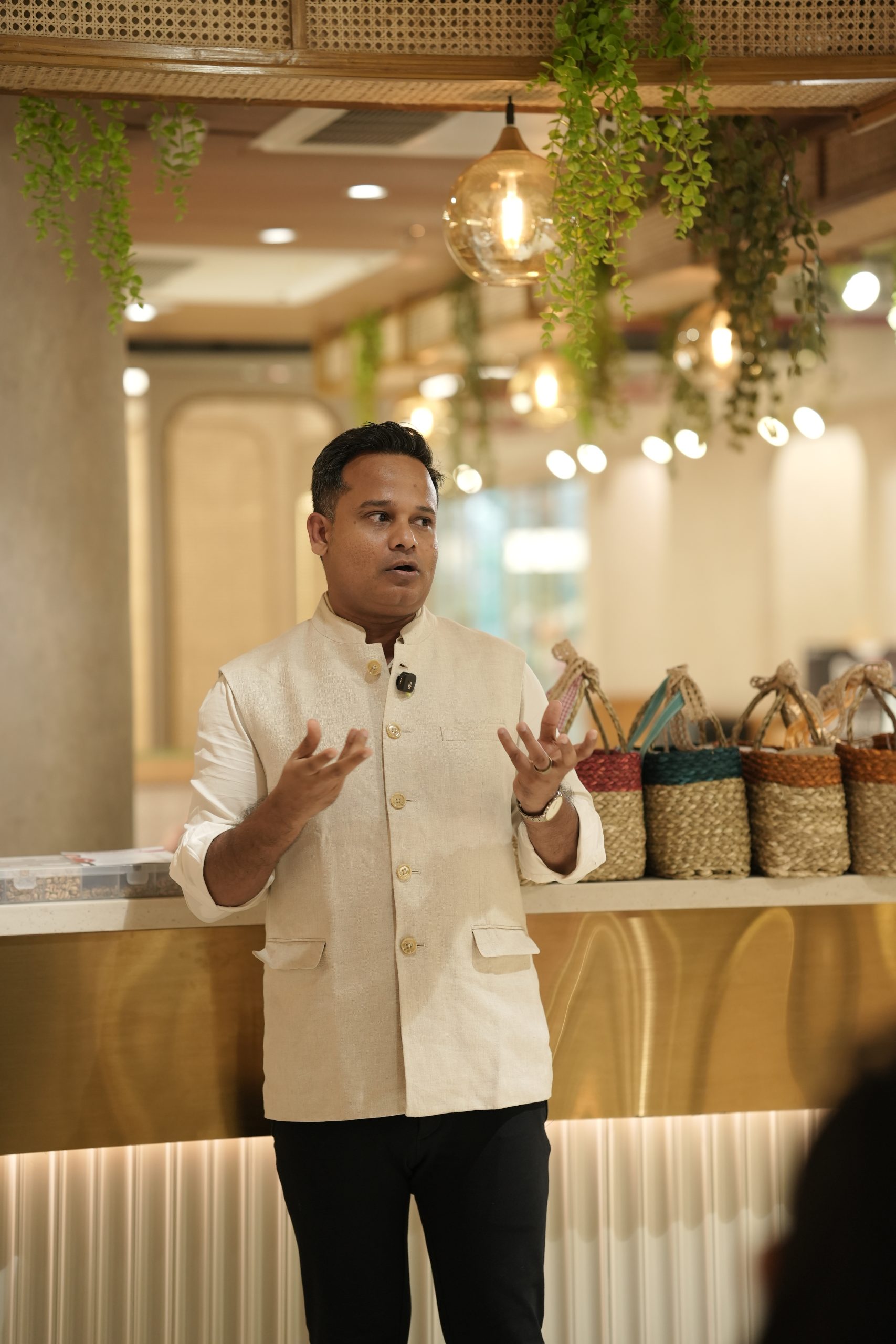 Anshuman RathCo-founder, Kalinga DESIAGRO Foundation
Anshuman Rath is Co-founder and Director of Kalinga DESIAGRO Foundation (KDF), a nonprofit transforming Odisha’s coffee ecosystem through interventions across the value chain. A former corporate lawyer and commodity consultant, he returned to Bhubaneswar after the pandemic. At KDF, he works with growers, roasters, exporters, cafes, and government agencies to build a sustainable, inclusive, and equitable coffee value chain. He also oversees KDF’s Coffee Processing & Storage Facility and is a Q Professional (Generalist) certified by the Coffee Quality Institute.
-
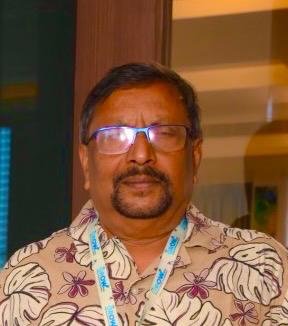 Bidyut MohantySecretary, SPREAD, Koraput
Bidyut Mohanty is a development practitioner and founding member of SPREAD (Society for Promoting Rural Education and Development), with over three decades of experience working with tribal communities in South Odisha. His work focuses on Community Forest Rights, forest-based livelihoods, climate change, gender and commons, indigenous institution-building, and food security. His significant contributions have earned him several prestigious accolades, recognising his sustained commitment to empowering marginalised communities, strengthening local institutions, and advancing the rights and livelihoods of indigenous people.
-
 Preeti Prada PanigrahiDirector, Socratus Foundation
Preeti Prada Panigrahi is a senior public policy and equity-focused leader with over 17 years of experience driving evidence-based policy and large-scale development programs across India and other low- and middle-income countries. Currently serving as Director, Programs & Partnerships at Socratus Foundation for Collective Wisdom, she specializes in translating research into actionable policy, building strategic partnerships, and leading multi-stakeholder initiatives. Her expertise spans climate resilience, urban systems, and inclusive governance, complemented by academic training from the London School of Economics and Harvard University.
-
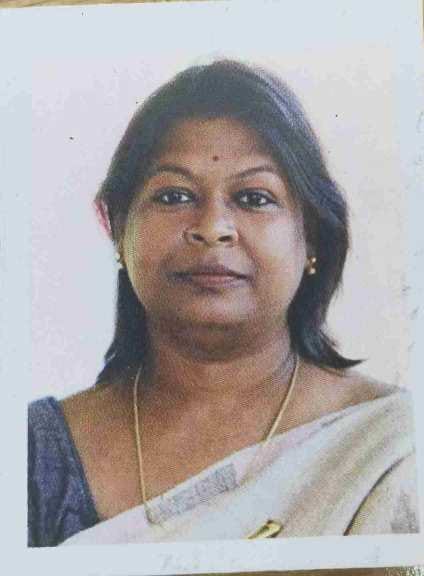 Priyadarsini MohantySenior Development Leader
A senior development professional with over 25 years of experience in government partnerships, public policy, programme leadership, institutional strengthening, and multi-sector development. Currently serving as State Programme Manager and ECCE Technical Lead with the Department of Women & Child Development, Government of Odisha, he provides strategic support for early childhood development and social-sector systems. His expertise spans government engagement, programme management, stakeholder coordination, capacity building, and evidence-based planning. He has led large-scale initiatives across Odisha, strengthening inclusive development and community-focused public systems.
Local Time
- Timezone: America/New_York
- Date: Aug 11 2026
- Time: 8:00 am - 10:00 am
Urban Odisha @2036 (Part 4): Koraput – Urban Planning rooted in Culture, Ecology, and Inclusion
Odisha stands at a pivotal moment in its urban evolution, with each city playing a unique role in shaping the state’s economic, cultural, and climate futures. This webinar series, brings together leaders, experts, and urban thinkers to examine how cities can innovate, collaborate, and drive sustainable growth. From twin-city metropolitan integration to industrial modernization, cultural heritage stewardship, service-led expansion, and tribal-rooted urbanization, each session uncovers pathways for transformation. These dialogues aim to surface city-specific opportunities while building a shared understanding of Odisha’s urban trajectory. Together, we explore how every city can grow with dignity, sustainability, and resilience at its core.
Part 4: Koraput – Urban Planning rooted in Culture, Ecology, and Inclusion
To explore how Koraput’s urbanization can strengthen, not displace, its Adivasi cultures, ecological systems, food traditions, rural–urban relationships and local livelihoods. The conversation will bring together community, childhood, tourism and agroecology perspectives to identify principles for a place-responsive urban future.