
Speakers
-
 Babu Jacob, IAS (R)Former Chief Secretary, Kerala
Babu Jacob belonged to the Indian Administrative Service, 1968 batch of the Kerala cadre. He was District Collector and Secretary to the Government of Kerala in several departments, and also served in central government ministries. He retired as Chief Secretary to the Government of Kerala in 2005.
After retirement, he engaged in research on governance, public management, and policy studies, initially under attachment to the Centre for Development Studies, Trivandrum, through an Indian Council of Social Science Research (ICSSR) fellowship, and later independently. The research project culminated in a report on the state of urban government decentralization in India. This evolved into a book co-authored with Suraj Jacob, titled Governing Locally: Institutions, Policies, and Implementation in India, published by Cambridge University Press in 2021.
His later research expanded to governance across sectors, focusing on why governments are often unable to fully achieve what they propose through policymaking. He is currently working on a co-authored book on the policy process in India, based on case studies tracing government policies from intent to outcome (forthcoming from Cambridge University Press).
-
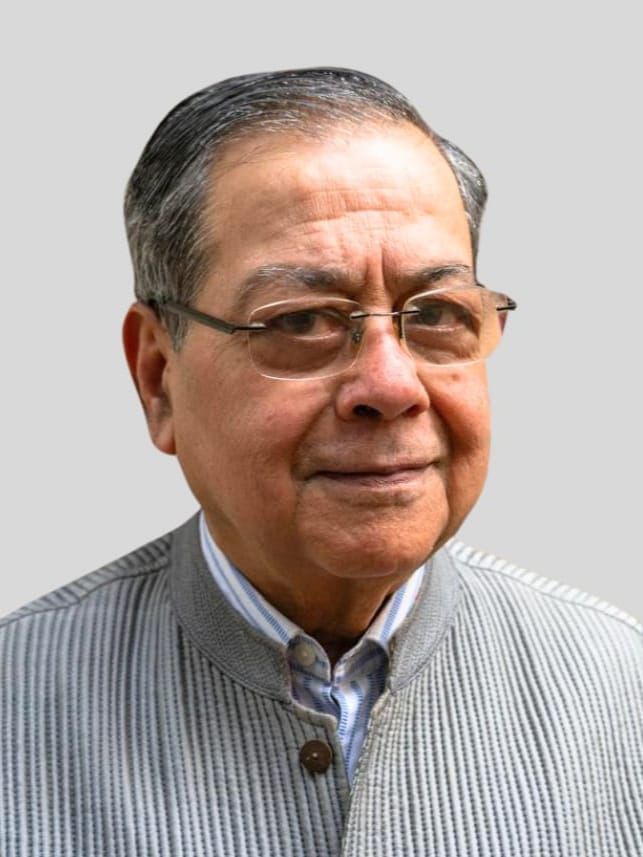 Dr. Balveer AroraChairman, Centre for Multilevel Federalism
Dr. Balveer Arora is Professor Emeritus and Founder Chairman of the Institute of Social Sciences’ Centre for Multilevel Federalism, New Delhi. He was earlier Professor of Political Science at Jawaharlal Nehru University (1973–2010), and also served as Rector and Pro-Vice Chancellor of JNU (2002–2005). He is Vice President of the Institut International Transcultura, Paris.
Professor Arora completed his Master’s and Doctorate in Political Science from Sciences Po Paris, at the University of Paris I (1972), after his Bachelor’s degree from St. Stephen’s College, University of Delhi (1964). He is a recipient of France’s highest civilian honour, Knight of the Legion of Honour, and is also an Officer in the French Order of Academic Laurels.
His current work focuses on Indian politics and international relations, particularly India–Europe relations in the contemporary world. He has written extensively on India’s federal democracy and its institutions. Dr. Arora is Chairman of the Board of Governors of the Centre for the Study of Developing Societies (CSDS, 2025–) and President Emeritus of the NGO Water for People India Trust.
-
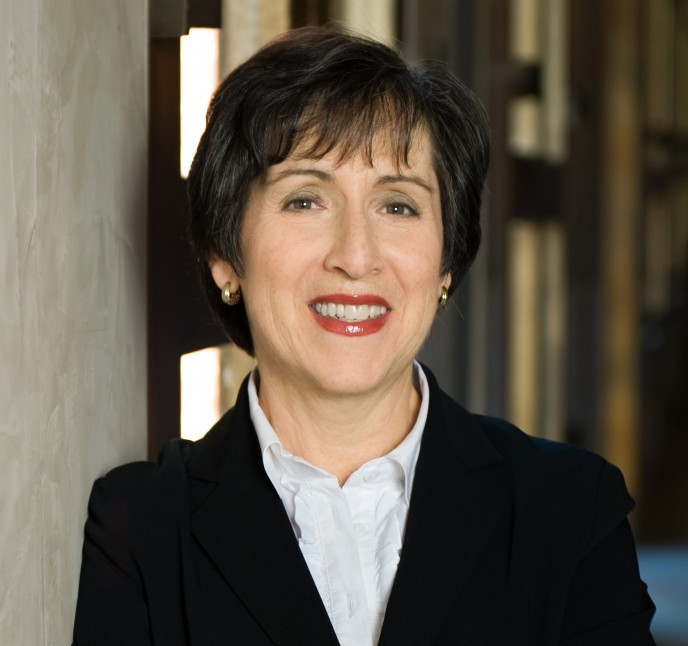 Dr. Enid SlackDirector, Institute on Municipal Finance and Governance, School of Cities, University of Toronto
Dr. Enid Slack is the Director of the Institute on Municipal Finance and Governance (IMFG) at the School of Cities, University of Toronto. She has written extensively on metropolitan governance, the fiscal health of cities, property taxes, intergovernmental transfers, and municipal infrastructure finance.
She consults with governments and international agencies such as the Inter-American Development Bank, World Bank, UN-Habitat, the Forum of Federations, and the International Growth Centre. She chairs the Advisory Board of the Local Public Sector Alliance (LPSA), is a member of the Advisory Board of the International Property Tax Institute (IPTI), and is an Associate of the Local Government Revenue Initiative (LoGRI).
In 2012, she was awarded the Queen’s Diamond Jubilee Medal for her work on cities.
-
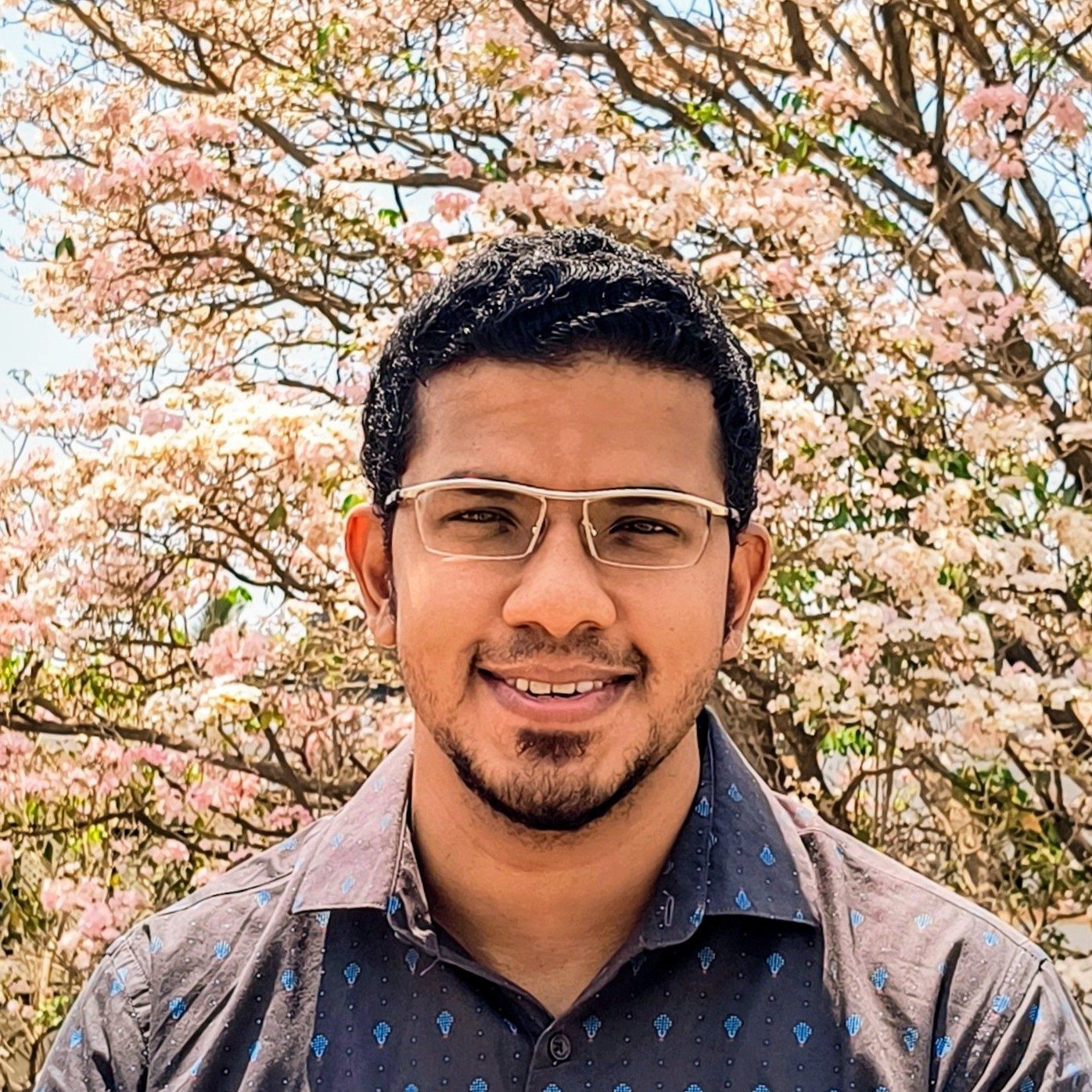 Dr. Mathew IdicullaLegal and Policy Consultant; PhD Candidate, Faculty of Law & Justice, UNSW Sydney
Mathew Idiculla is a legal and policy consultant and researcher whose work focuses on cities, local democracy, federalism, and constitutional governance. He has engaged with this field for over 13 years through academic research, legal consultancy, public advocacy, and popular writing. Mathew is currently a PhD Candidate at UNSW Sydney, and his doctoral research examines decentralised constitutionalism in India. He has taught at Azim Premji University and the National Law School of India University, and has contributed to research and consultancy projects on peri-urban governance, planning law, low-carbon urbanisation, and urban employment. Mathew has actively engaged with urban policy-making and led the drafting of the “Greater Bengaluru Governance Bill” for the Expert Committee on BBMP Restructuring. He is the founder of a discussion forum on cities and writes regularly on law and policy issues in scholarly and popular publications.
-
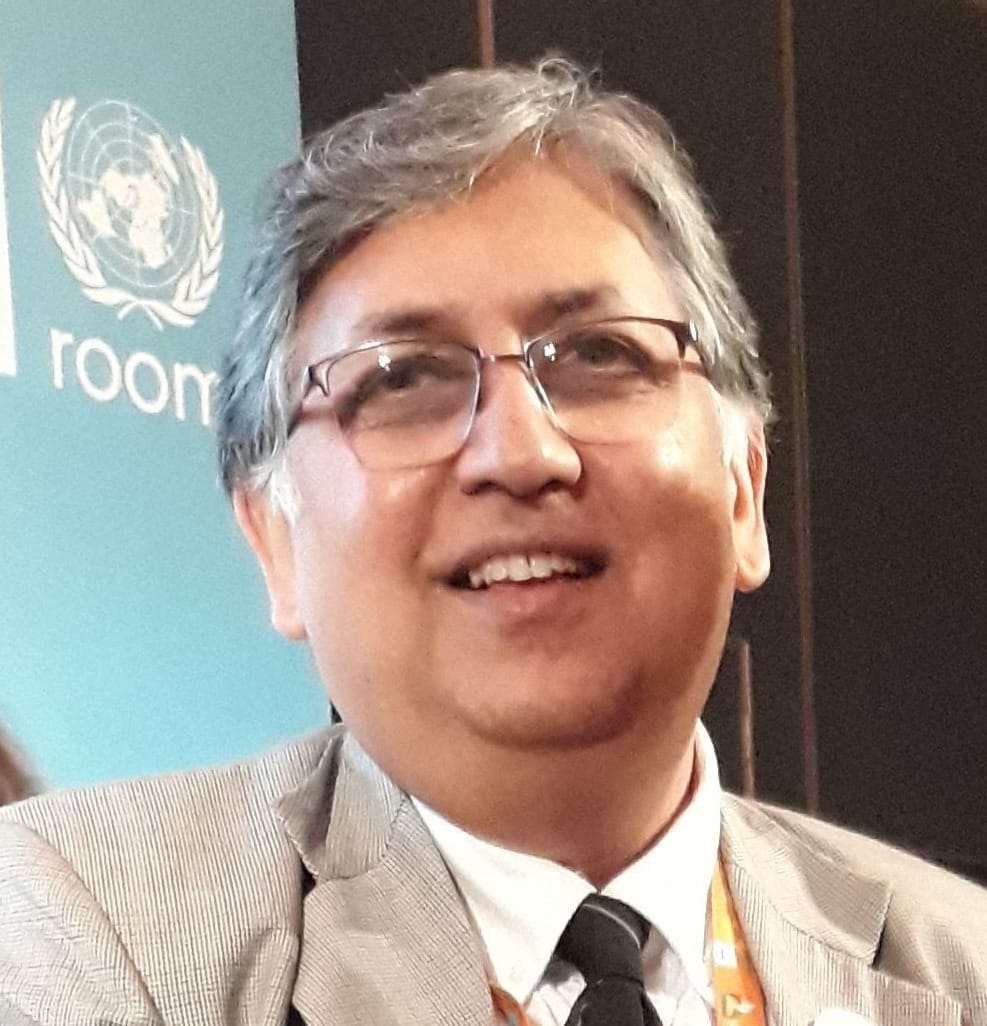 Dr. Tathagata ChatterjiProfessor, Xavier University, Bhubaneswar
Dr. Tathagata Chatterji is a Professor of Urban Management and Governance at XIM University, Bhubaneswar, where he concurrently teaches at both the School of Human Settlements and the School of Governance and Public Affairs. Broadly within the area of urban governance, his research interests include urban policies and institutions; digital technology applications in urban management; climate governance and social inclusion; and urban economy and informal livelihoods. A recipient of the Gerd Albers Award (2016) from ISOCARP (International Society of City and Regional Planners), Dr. Chatterji has written extensively on urban policy and governance in an international context. Presently, he is co-editing a book, City Economies in the Global South: Growth, Inclusion, and Sustainability, to be published by Routledge. He holds a PhD in Urban Planning and Governance from the University of Queensland, Australia.
-
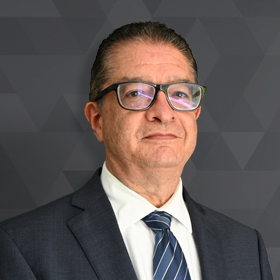 Jose M. SernaSenior Researcher, Institute of Legal Research, Universidad Nacional Autónoma de México
Jose M. Serna holds a Bachelor’s degree in Law and a Doctor Juris from the National University of Mexico, along with an MA and PhD in Government from the University of Essex, England, specializing in Latin American politics. Since 1995, he has been a full-time researcher at the Institute of Legal Studies at the National University of Mexico. He served as a Visiting Professor at the University of Texas, Austin (1997–2001), teaching Mexican Law, and is currently President of the Ibero-American Institute of Constitutional Law.
-
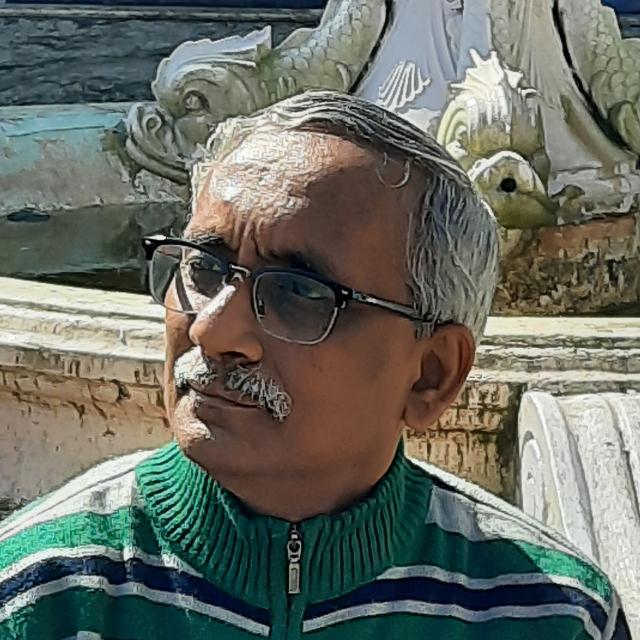 Prof. Souvanic RoyFounder Director, SEIHSM, IIEST, Shibpur
Dr. Souvanic Roy is Professor in the Department of Architecture and Planning and Founder Director of the School of Ecology, Infrastructure and Human Settlement Management at the Indian Institute of Engineering Science and Technology (IIEST), Shibpur, India. He is engaged in teaching, research, and advocacy in the areas of urban and environmental planning, conservation, climate change adaptation, and socio-ecological resilience in critical ecosystems.
He has coordinated a number of research and consultancy projects funded by national and international agencies and has published articles in books and international journals. He was Co-Investigator of the GCRF Living Deltas Research Hub led by Newcastle University, UK, supported by UKRI, and a member of the GCRF Equitable Resilience Commissioning Panel.
He is a recipient of the Ford Asia Fellowship by the Asian Scholarship Foundation (ASF), Bangkok, and the Indo-Canadian Fellowship by the Shastri Indo-Canadian Institute (SICI) for research excellence in socio-ecological resilience. He is a member of the Governing Council of India Habitat Forum (INHAF), Pune, and an empanelled expert for Urban Missions in the Ministry of Housing and Urban Affairs, Government of India. Prof. Roy is also a Co-Investigator of the international collaborative project on “Brownfield Regeneration of Jute Mills Land in Kolkata” with the Department of Urban Studies and Planning, MIT, USA.
-
 Santosh NargundDirector, Policy Engagement, Janaagraha
Santosh Nargund is a former aerospace scientist turned civic leader and public policy advocate with nearly 25 years of experience advancing good governance, citizen participation, and environmental sustainability. He currently leads Policy Engagement at the Janaagraha Centre for Citizenship & Democracy, where he works to strengthen urban governance systems, institutional participatory forums, and local civic leadership. Santosh has led several public campaigns on transparency, accountability, democratic decentralisation, and citizen participation, and writes widely on urban governance and civic affairs. An alumnus of Indian Institute of Management Bangalore, he earlier worked on aerospace programmes including the HAL Tejas as well as global aircraft projects such as the Boeing 787 Dreamliner and Airbus A350. Santosh contested the Karnataka Assembly elections in 2018 and leads an eco-friendly lifestyle, practising natural farming.
Local Time
- Timezone: America/New_York
- Date: Mar 25 2026
- Time: 9:00 am - 11:00 am
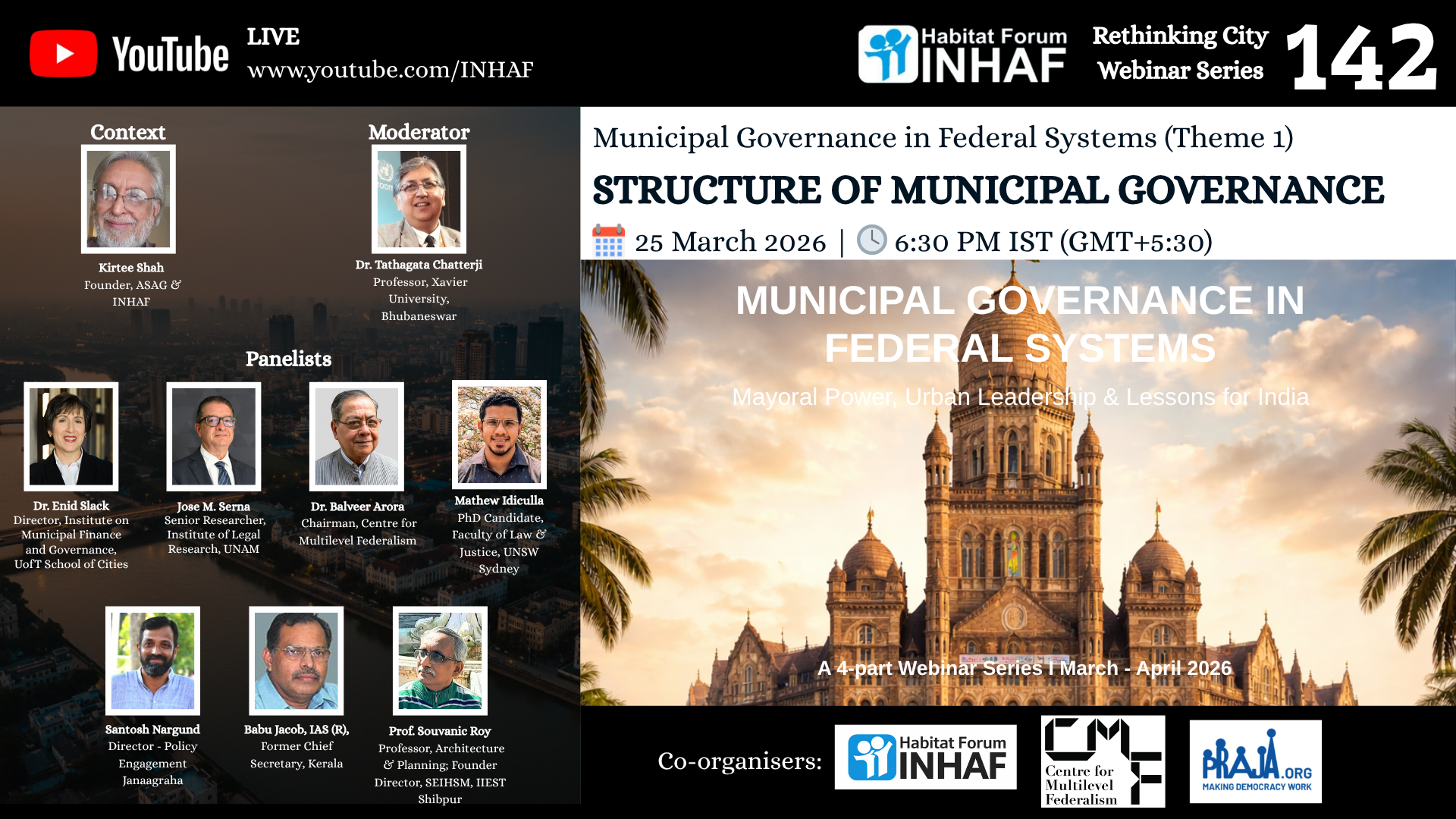
Municipal Governance in Federal Systems (Theme 1): Structure of Municipal Governance
Cities in federal systems operate within complex institutional arrangements, balancing authority, resources, and accountability across multiple levels of government. As urbanisation accelerates, metropolitan regions are emerging as key drivers of economic growth while simultaneously facing challenges of infrastructure stress, spatial expansion, inequality, and climate risks. Globally, debates on urban governance have increasingly focused on leadership structures, coordination mechanisms, and institutional design.
In India, despite the vision of decentralised governance under the 74th Constitutional Amendment, urban local bodies often face limited autonomy, weak fiscal capacity, and fragmented governance structures. Recent developments—such as reforms in metropolitan governance and evolving city-regional approaches—have renewed attention on how cities can be governed more effectively within a federal framework.
Objectives of the Webinar Series
This webinar series seeks to:
- Understand how different governance structures (single-tier vs multi-tier) shape urban management
- Compare leadership models, including executive mayors and commissioner-led systems
- Examine challenges faced by cities, particularly in service delivery and coordination
- Analyse fiscal systems, including intergovernmental transfers and urban financing mechanisms
Theme 1: Structure of Municipal Governance
The first session focuses on the structure of municipal governance, particularly in the context of metropolitan regions. As cities expand beyond administrative boundaries, the need to balance local responsiveness with metropolitan-scale coordination becomes critical. Different models—ranging from fragmented governance arrangements to consolidated metropolitan governments—offer varied approaches to addressing this challenge.
Through comparative insights from global cities and recent developments in India, this session will explore how institutional design influences urban outcomes. It will examine emerging governance reforms, such as multi-tier metropolitan arrangements, and assess their potential to enhance coordination, accountability, and efficiency in rapidly growing urban regions.