
Speakers
-
 Dr. Abhijit LokreFounder and Partner, The Urban Lab & The Urban Lab (TUL) Foundation
Abhijit Lokre is the Founder and Partner of The Urban Lab and The Urban Lab (TUL) Foundation, working towards safer, more sustainable and liveable cities. With over 24 years of experience in urban mobility, he specialises in transport planning, street design, road safety, public transport, parking management and urban policy. He advises governments on urban development initiatives and mentors young professionals. A visiting faculty member at CEPT University, he holds a PhD in Planning from CEPT University, a Master’s in Planning from SPA Delhi, and a Bachelor’s in Architecture from Pune University.
-
 Dr. Darshini MahadeviaProfessor, Jawaharlal Nehru University
Professor Darshini Mahadevia is an urban scholar specialising in equity, urban development, climate change, and human development. She holds a doctoral degree in Urban and Regional Development from Jawaharlal Nehru University. Previously, she coordinated the Centre for Urban Equity and served as Dean of the Faculty of Planning at CEPT University, Ahmedabad. Her research examines urban policies, planning processes, and their impacts on marginalised communities. Her current interests include urban data systems, spatial mapping, sustainable development, and equitable urban governance.
-
 Dr. O.P. AgarwalDistinguished Fellow, NITI Aayog and Professor of Practice, Indian School of Public Policy
Dr. O.P. Agarwal is a Distinguished Fellow at NITI Aayog and Professor of Practice at the Indian School of Public Policy and IIT Roorkee. A former IAS officer, he held senior positions in central and state governments. He was the principal author of India’s National Urban Transport Policy (2006) and served as the World Bank’s Global Urban Transport Adviser. He previously led WRI India as CEO. He holds a PhD in Transport Economics from IIT Delhi and a master’s degree from MIT.
-
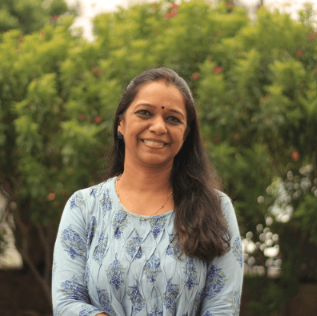 Dr. Shelly KulshresthaCo-Founder, The Urban Lab & The Urban Lab (TUL) Foundation
Shelly Kulshrestha is the Co-Founder of The Urban Lab and The Urban Lab (TUL) Foundation, advancing safe, inclusive, and resilient cities. With over two decades of experience in urban planning, research, and teaching, she specialises in sustainable mobility, road safety, climate resilience, participatory governance, and inclusive planning. She leads research, advocacy, and partnership-building initiatives, promoting people-centric urban development. A visiting professor at CEPT University, she holds a PhD in Planning from CEPT University and a Master’s in Environmental Planning from SPA, Delhi.
-
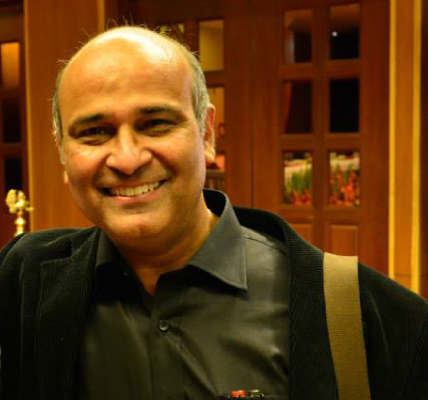 Prasanna DesaiArchitect & Urban Designer
Prasanna Desai is a director and professor at PVP College of Architecture, Pune and has been the guiding force in the establishment of Forum for Exchange & Excellence in Design FEED, an academic platform for students and architects in Pune. He runs an architecture practice which is involved with urban design issues emphasising the role of an architect in the public domain.
-
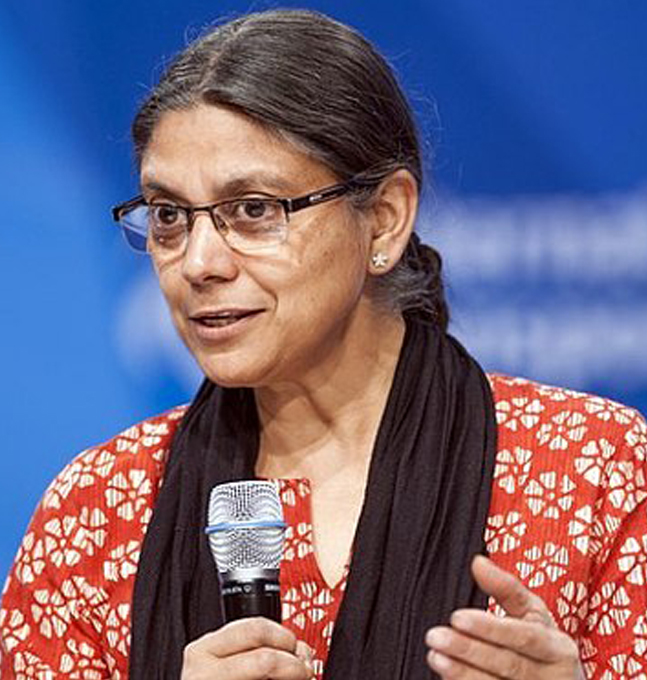 Prof. Geetam TiwariTRIPP Chair Professor, Department of Civil Engineering, IIT Delhi
Geetam Tiwari is the Head at the Transportation Research and Injury Prevention Centre and MoUD Chair Professor for Transport Planning at the Department of Civil Engineering, IIT Delhi. She has been Adlerbretska Guest Professor for sustainable urban transport at the Chalmers University of Technology, Sweden 2007-2010. She has been working in the area of traffic and transport planning and traffic safety focusing on pedestrians, bicycles and bus systems. She Heads the WHO collaborating Centre on Safety Technologies at TRIP Centre, IIT Delhi. She is editor-in-chief of the International Journal of Injury Control and Safety Promotion since 2009.
-
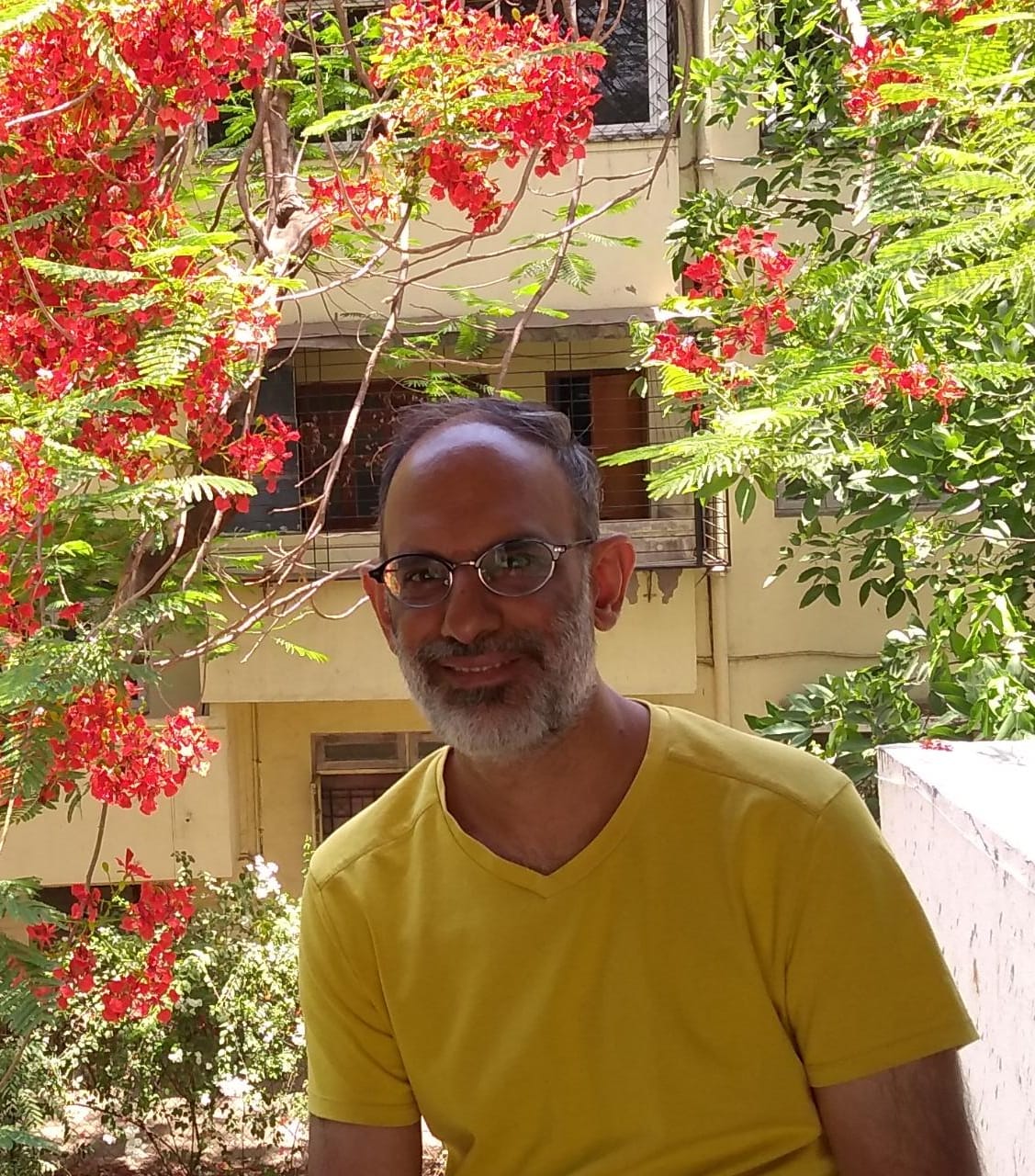 Ranjit GadgilProgram Director, Parisar
Ranjit Gadgil is the Program Director at Parisar, a Pune-based NGO that has been working on sustainable transport for more than two decades. At Parisar he has successfully advocated for a Pedestrian Policy, Urban Street Design Guidelines and Comprehensive Bicycle Plan to be adopted by the Municipal Corporation. Additionally he also leads the Air Quality and Road Safety programs at Parisar. He is a member of the city’s non-motorized transport (NMT) committee.
Local Time
- Timezone: America/New_York
- Date: Oct 30 2026
- Time: 6:30 am - 8:30 am
BRTS Action Programme: Why Are Cities Turning Away from BRTS, and What Can Cities Do Differently? – Pune & Ahmedabad
Why Are Cities Turning Away from BRTS? What Can Cities Do Differently?
The BRTS Action Programme, organised by Habitat Forum (INHAF), brings together research, professional experience and stakeholder perspectives to examine the challenges and future of Bus Rapid Transit Systems (BRTS) in Indian cities. Building on INHAF’s study, The Reality of BRT Corridors in Indian Cities: Challenges and Way Forward, the programme explores why cities have dismantled, modified or continued their BRTS systems, and what can be learned from these experiences.
Through three online sessions covering six cities—Delhi, Jaipur, Pune, Ahmedabad, Bhopal and Indore—the programme will facilitate discussions among researchers, urban planners, transport professionals, government officials and civil society representatives. The sessions will explore practical approaches to improving bus operations, enforcement, governance, funding and integration with other transport modes, with the aim of identifying actionable solutions for reliable, accessible and inclusive urban public transport.
Pune & Ahmedabad
The second session of the BRTS Action Programme focuses on Pune and Ahmedabad, examining their experiences with BRTS and the challenges and decisions that have shaped their respective systems. The discussion will explore issues related to corridor planning, operations, traffic management, institutional coordination and governance, while reflecting on the opportunities and limitations of BRTS in meeting the growing mobility needs of urban populations. Bringing together experts and practitioners, the session aims to identify practical strategies to strengthen bus-based public transport, improve system performance and advance more integrated, accessible and sustainable urban mobility.