
Speakers
-
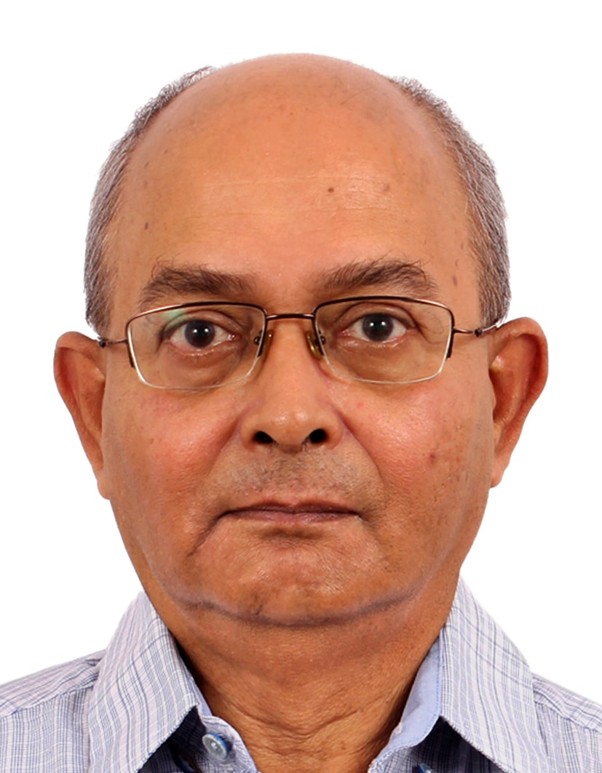 Abhijit SarkarIndependent Consultant
Abhijit Sarkar is an independent consultant with over 35 years of professional experience, including more than 26 years in public service. With approximately 19 years in the transport sector, he has contributed to urban bus reforms, public transport policy, and infrastructure development. He played a key role in introducing Delhi’s Gross Cost Model-based public bus service and coordinated the replacement of over 70,000 conventional-fuel public transport and paratransit vehicles with CNG vehicles. He has also supported international transport projects and capacity-building initiatives.
-
 Anumita RoychowdhuryExecutive Director, Research & Advocacy, CSE, Delhi
Anumita Roychowdhury is the Executive Director, Research and Advocacy, Centre for Science and Environment, India. She is in charge of research and advocacy on Sustainable Urbanisation that encompasses clean air, sustainable mobility and sustainable habitat. Over the last two decades she has worked extensively to shape policy advocacy on these issues and has catalyzed the Right to Clean Air campaign at the Centre. She has helped to guide and build some of the key policy campaigns on air pollution especially vehicular pollution and multi-sector clean air action planning in cities. She is working with other Indian and African cities to help shape the roadmap for clean air action plans. She has participated and played an active role in several national policy forums as well global environmental platforms. She has been participating either as a member or an advisor in various committees and forums. She has widely written and published articles, policy research papers and books. She has been awarded the prestigious Haagen-Smit Clean Air Award by the California Air Resources Board, California, USA.
-
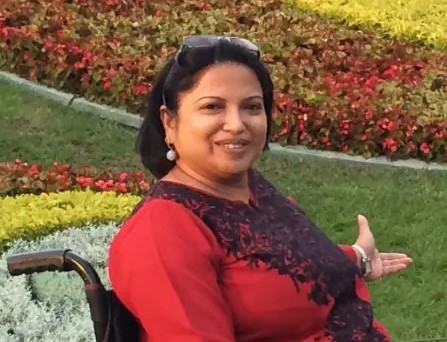 Dr. Anjlee AgarwalNational Awardee in Accessibility and Sustainable Mobility; Co-founder, Samarthyam
Dr. Anjlee Agarwal is a universal accessibility and inclusive mobility specialist and Co-founder and Executive Director of Samarthyam. She champions inclusive environments, sustainable mobility, and barrier-free public spaces for persons with disabilities. She has contributed extensively to national accessibility standards, pedestrian infrastructure, accessible public transport, and disability-inclusive policies. She has also advised government agencies and international organisations, including the United Nations and UNICEF. Her recognitions include the National Leadership Award and the Zero Project Best Innovative Policy Award.
-
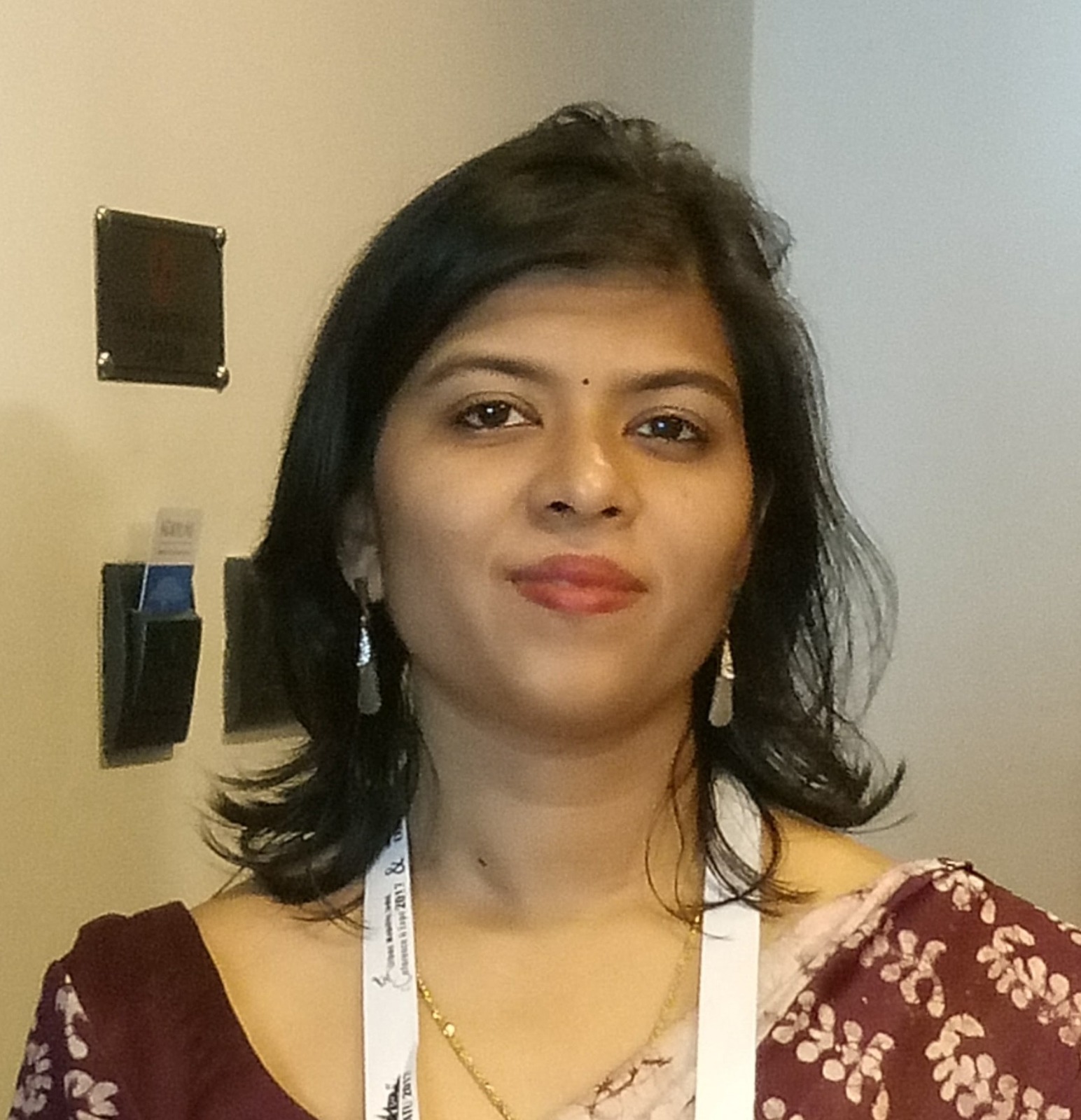 Dr. Deepty JainAssistant Professor, TRIP Centre, IIT Delhi
Dr. Deepty Jain is an Assistant Professor at the Transportation Research and Injury Prevention Centre (TRIP Centre), IIT Delhi. Trained as an architect and planner, her expertise includes transport planning, travel behaviour, and transport safety. Her research focuses on equitable, low-carbon, and climate-resilient mobility, examining the links between urban environments, accessibility, and vulnerable road users. She combines spatial and behavioural research with policy analysis to develop practical solutions, with particular attention to gender, extreme weather, heat exposure, and community-driven mobility adaptation strategies.
-
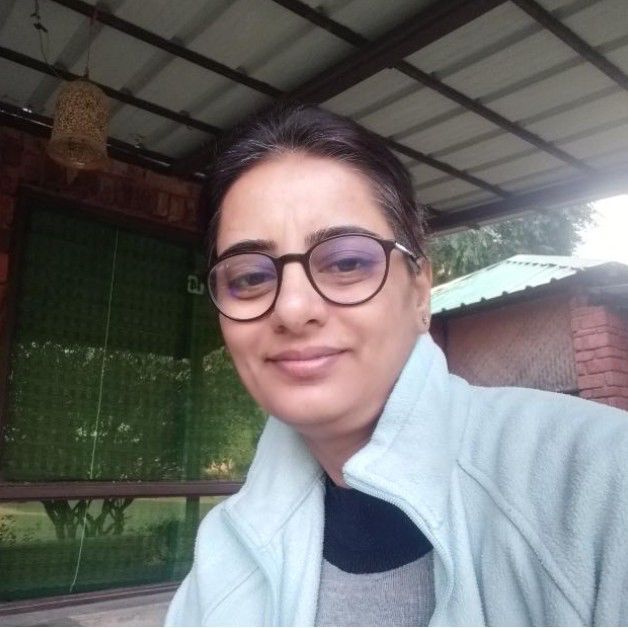 Dr. Mukti AdvaniSenior Principal Scientist, CSIR-CRRI; Coordinator, AcSIR-CRRI
Dr. Mukti Advani is a Principal Scientist at CSIR–Central Road Research Institute (CRRI), New Delhi, specialising in transportation planning, non-motorised transport, road safety, and vehicular pollution. She holds a Ph.D. in Transportation Engineering from IIT Delhi and has extensive experience in transport research and policy. Her work includes developing safer pedestrian infrastructure, sustainable mobility solutions, road safety assessment models, and strategies to reduce vehicular emissions. She also contributes to academic teaching, research publications, and national-level transportation committees.
-
 Dr. Sandeep GandhiPrincipal Architect, SGArchitects (SGA)
Dr. Sandeep Gandhi (B.Arch., M.Tech., Ph.D.) is a sustainable mobility expert with over 22 years of experience in research, planning, design, and development of non-motorised transport, public transport, and urban freight infrastructure. He has worked across multiple Indian cities, collaborating with government agencies, private organisations, academic institutions, and development sector stakeholders. His contributions include pioneering Bus Rapid Transit (BRT) and non-motorised transport projects, alongside developing guidelines, toolkits, and capacity-building resources to advance sustainable urban mobility practices.
-
 Jagan ShahFormer Resident Senior Fellow, Artha Global
Jagan Shah is an Indian architect, urbanist, and policy expert with over three decades of experience in architecture, urban planning, infrastructure finance, and public policy. He serves as a Professor of Practice at IIT Delhi’s Transportation Research and Injury Prevention Centre (TRIPC) and as a Board Member of the Institute for Transportation and Development Policy (ITDP). He recently completed his tenure as CEO of The Infravision Foundation (2023–2026), an advocacy think tank focused on infrastructure planning and innovative urban finance.
-
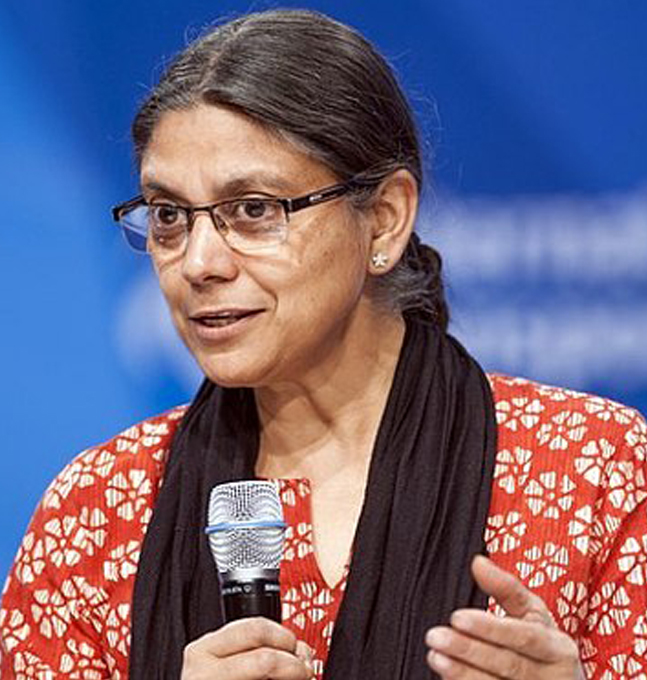 Prof. Geetam TiwariTRIPP Chair Professor, Department of Civil Engineering, IIT Delhi
Geetam Tiwari is the Head at the Transportation Research and Injury Prevention Centre and MoUD Chair Professor for Transport Planning at the Department of Civil Engineering, IIT Delhi. She has been Adlerbretska Guest Professor for sustainable urban transport at the Chalmers University of Technology, Sweden 2007-2010. She has been working in the area of traffic and transport planning and traffic safety focusing on pedestrians, bicycles and bus systems. She Heads the WHO collaborating Centre on Safety Technologies at TRIP Centre, IIT Delhi. She is editor-in-chief of the International Journal of Injury Control and Safety Promotion since 2009.
-
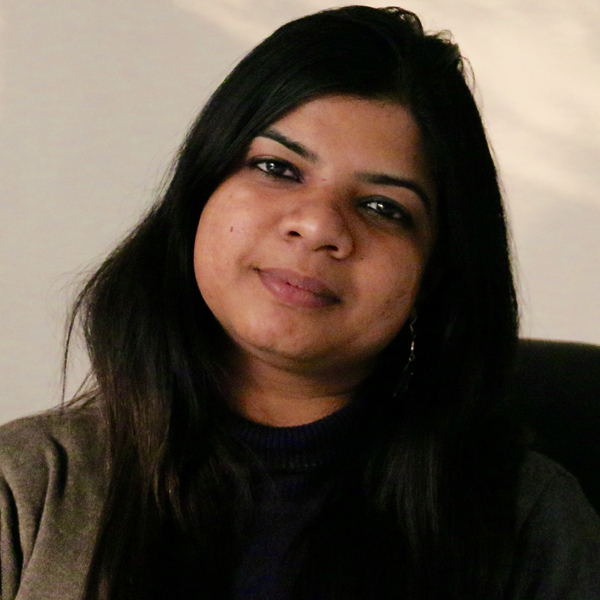 Ruchi VarmaFounder and Chief Executive Officer, HumanQind
Ruchi Varma is the Founder and Chief Executive Officer of HumanQind, a social design enterprise creating equitable and compassionate cities. An architect and urban designer, she specialises in human-centred urban development, public spaces, and road safety. She has worked extensively with government and non-governmental organisations and is associated with IIT Delhi’s Transportation Research and Injury Prevention Programme. A 2020 Echoing Green Fellow, she has received several prestigious fellowships and won a global honour award at the World Urban Forum 2020 for her project, “Crosswalk—250 Meters of Happiness.”
Local Time
- Timezone: America/New_York
- Date: Oct 16 2026
- Time: 6:30 am - 8:30 am
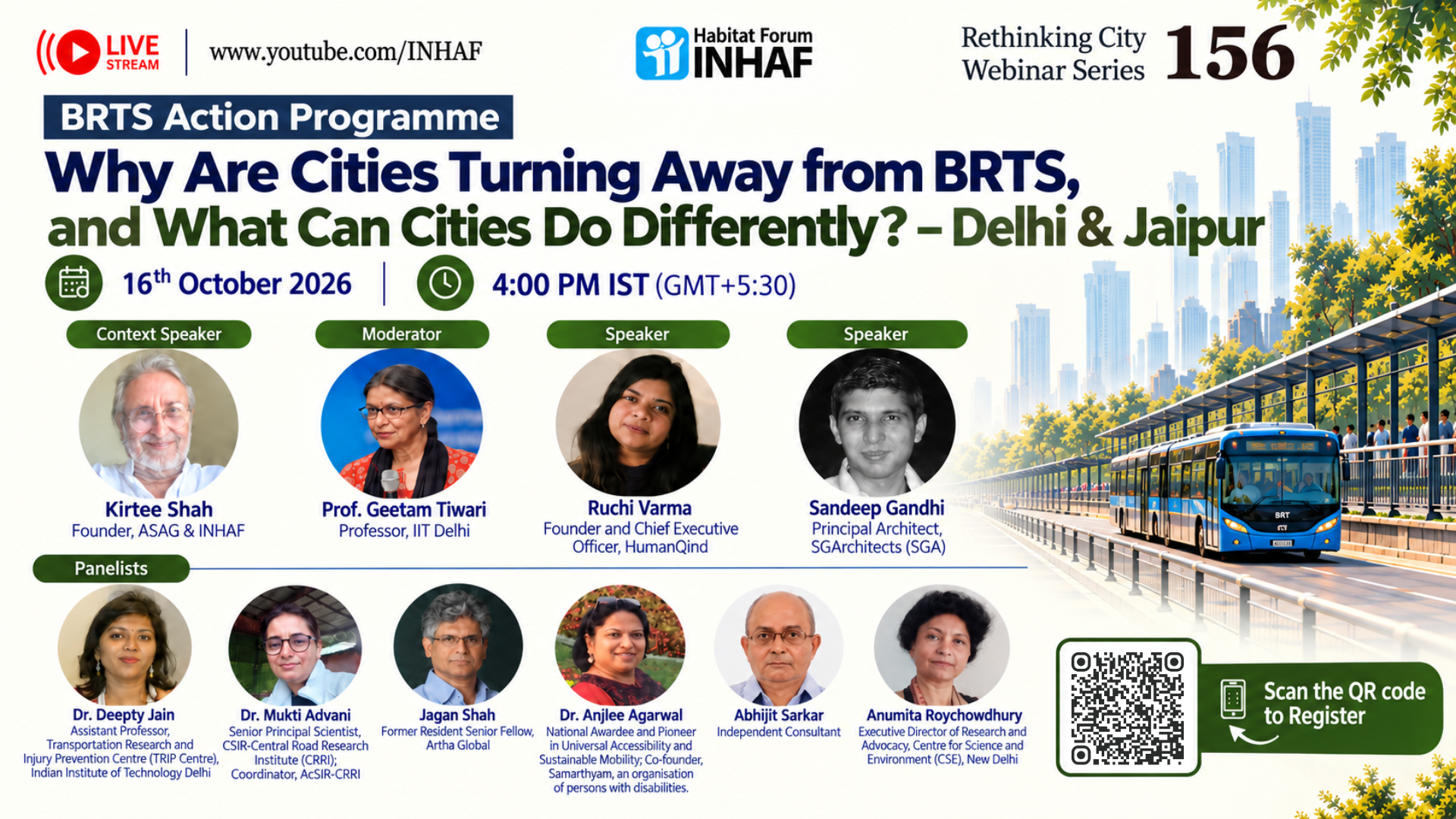
BRTS Action Programme: Why Are Cities Turning Away from BRTS, and What Can Cities Do Differently? – Delhi & Jaipur
Why Are Cities Turning Away from BRTS? What Can Cities Do Differently?
The BRTS Action Programme, organised by Habitat Forum (INHAF), brings together research, professional experience and stakeholder perspectives to examine the challenges and future of Bus Rapid Transit Systems (BRTS) in Indian cities. Building on INHAF’s study, The Reality of BRT Corridors in Indian Cities: Challenges and Way Forward, the programme explores why cities have dismantled, modified or continued their BRTS systems, and what can be learned from these experiences.
Through three online sessions covering six cities—Delhi, Jaipur, Pune, Ahmedabad, Bhopal and Indore—the programme will facilitate discussions among researchers, urban planners, transport professionals, government officials and civil society representatives. The sessions will explore practical approaches to improving bus operations, enforcement, governance, funding and integration with other transport modes, with the aim of identifying actionable solutions for reliable, accessible and inclusive urban public transport.
Delhi & Jaipur
The first session of the BRTS Action Programme focuses on Delhi and Jaipur, examining their experiences with BRTS and the decisions that have shaped their corridors. The discussion will explore challenges related to planning, operations, traffic management and governance, while considering lessons for the future of bus-based public transport. Bringing together experts and practitioners, the session aims to identify practical ways to strengthen BRTS and improve its role within an integrated, accessible and effective urban transport network.