
Speakers
-
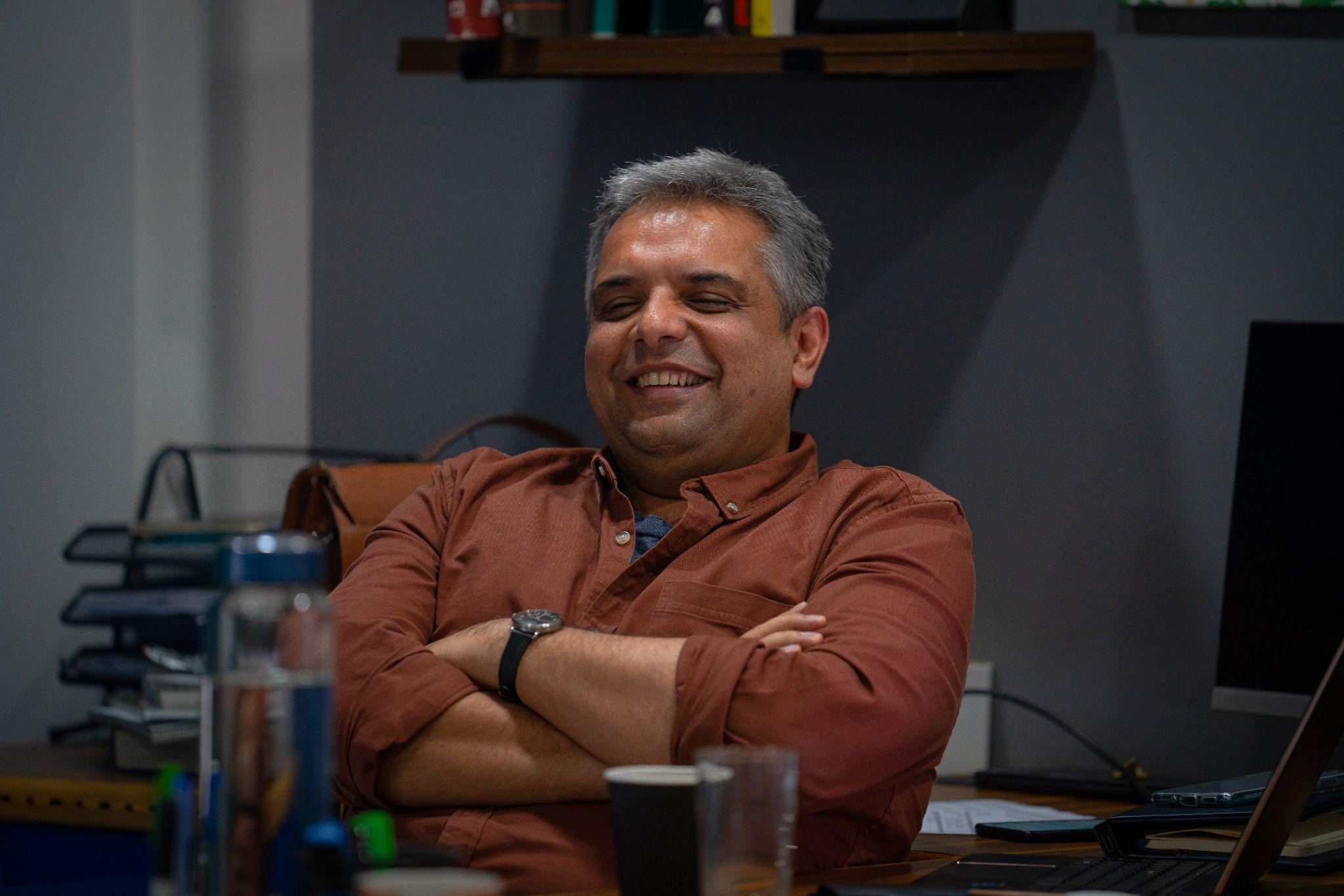 Bankim KalraChief Executive Officer, Centre for Green Mobility
Bankim Kalra is an internationally recognized urban strategist and expert in Transit-Oriented Development (TOD), with 20 years of experience across India, the U.S., Canada, and the Middle East. As CEO of the Centre for Green Mobility and Director at Quantum Leap Studio, he advances sustainable mobility, walkability, cycling equity, and placemaking. He has worked with the World Bank, ADB, and Indian ministries and co-authored India’s National TOD Policy (2017). His planning expertise contributed to Bhubaneswar’s recognition as India’s top-ranked Smart City.
-
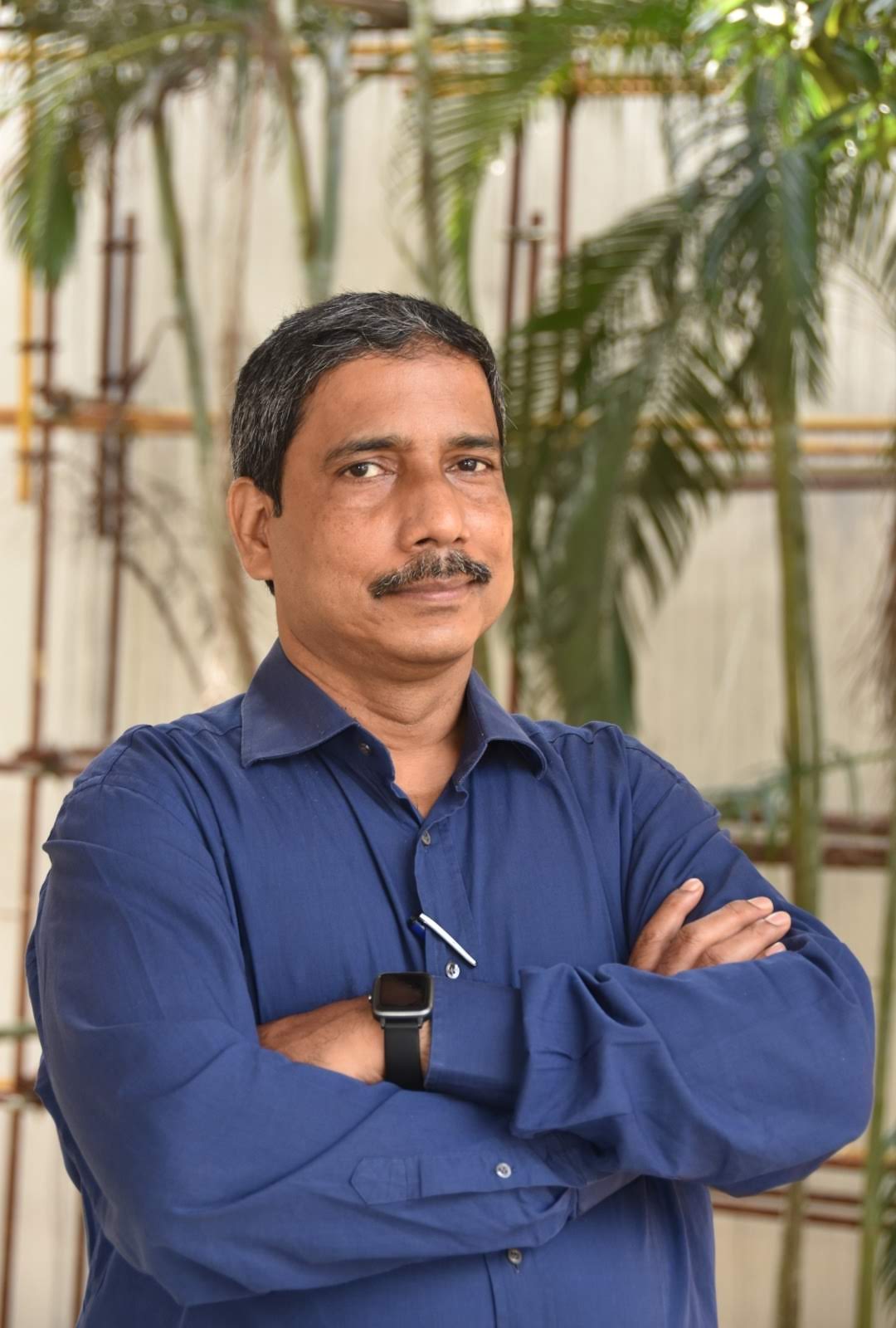 Bibhuti Bhusan BarikJournalist, Writer, Heritage Enthusiast
Bibhuti Bhusan Barik is a journalist, writer, and heritage enthusiast with over 29 years of experience across media and government. A Life Member of INTACH, he has played a key role in heritage communication and guided heritage walks across Bhubaneswar, Cuttack, Puri, Dhenkanal, Jagatsinghpur, and Khordha. His expertise spans art, archaeology, architecture, urban development, and public engagement. He served with Bhubaneswar Smart City Limited and worked exclusively on CITIIS, contributing to heritage and public engagement initiatives. He is also an accomplished author and co-author.
-
 Preeti Prada PanigrahiDirector, Socratus Foundation
Preeti Prada Panigrahi is a senior public policy and equity-focused leader with over 17 years of experience driving evidence-based policy and large-scale development programs across India and other low- and middle-income countries. Currently serving as Director, Programs & Partnerships at Socratus Foundation for Collective Wisdom, she specializes in translating research into actionable policy, building strategic partnerships, and leading multi-stakeholder initiatives. Her expertise spans climate resilience, urban systems, and inclusive governance, complemented by academic training from the London School of Economics and Harvard University.
-
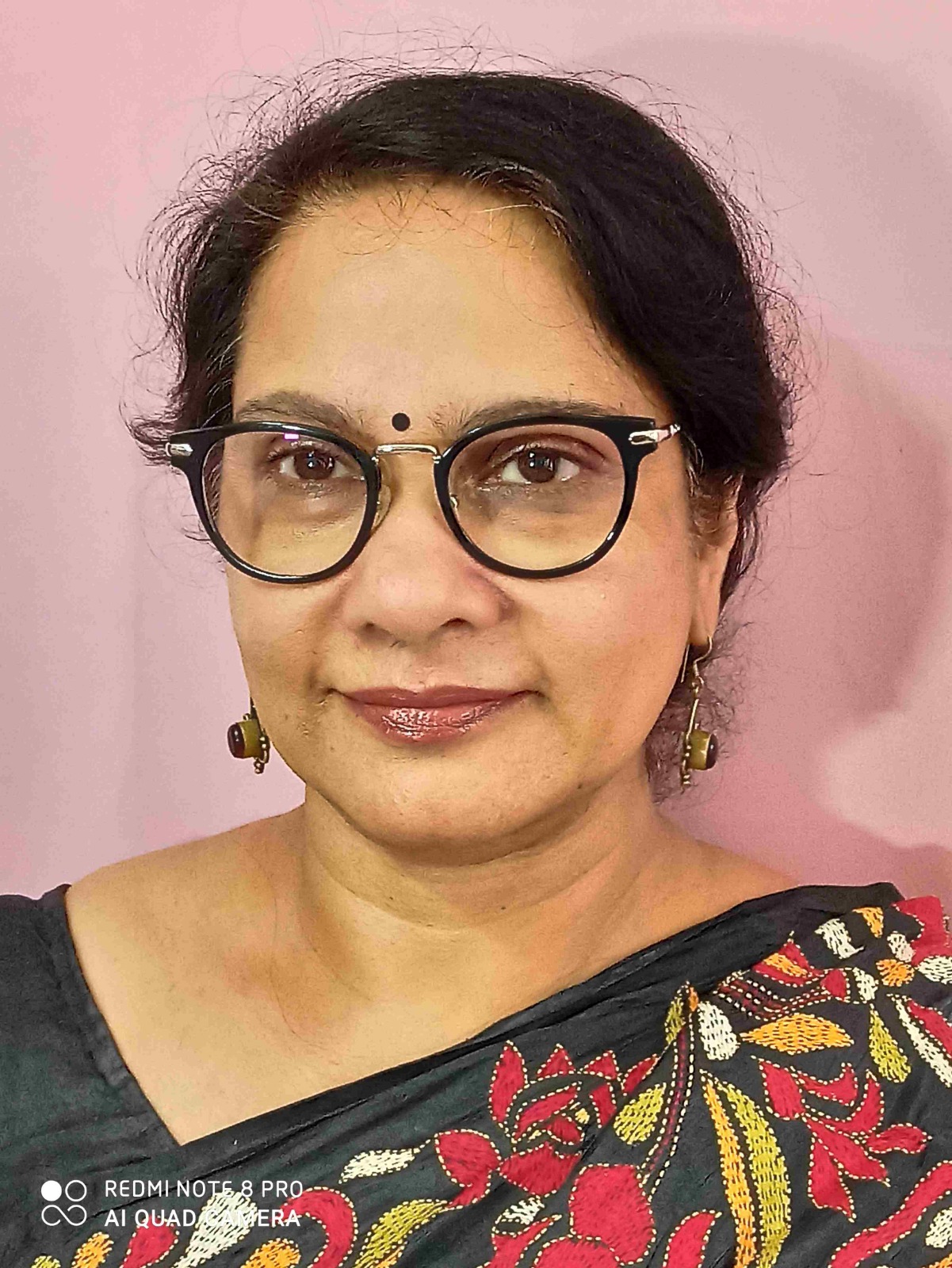 Prof. Kajri MishraDean, School of Human Settlements, Professor, Urban Management and Governance, XIM University, Bhubaneswar
Kajri Misra is a Professor of Urban Management and Governance, specializing in governance, institutional reform, participatory planning, sustainability, and climate-change adaptation. Her research focuses on strengthening local governance and planning systems, urban development, public service delivery, gender and marginalization, and migration. She has led research projects for the Government of India, UNICEF, UNDP, UNFPA, and the Smart Cities Mission. Her publications examine Bhubaneswar’s Smart City development, decentralization, urban planning capacity, gender, water provision, and architectural heritage.
-
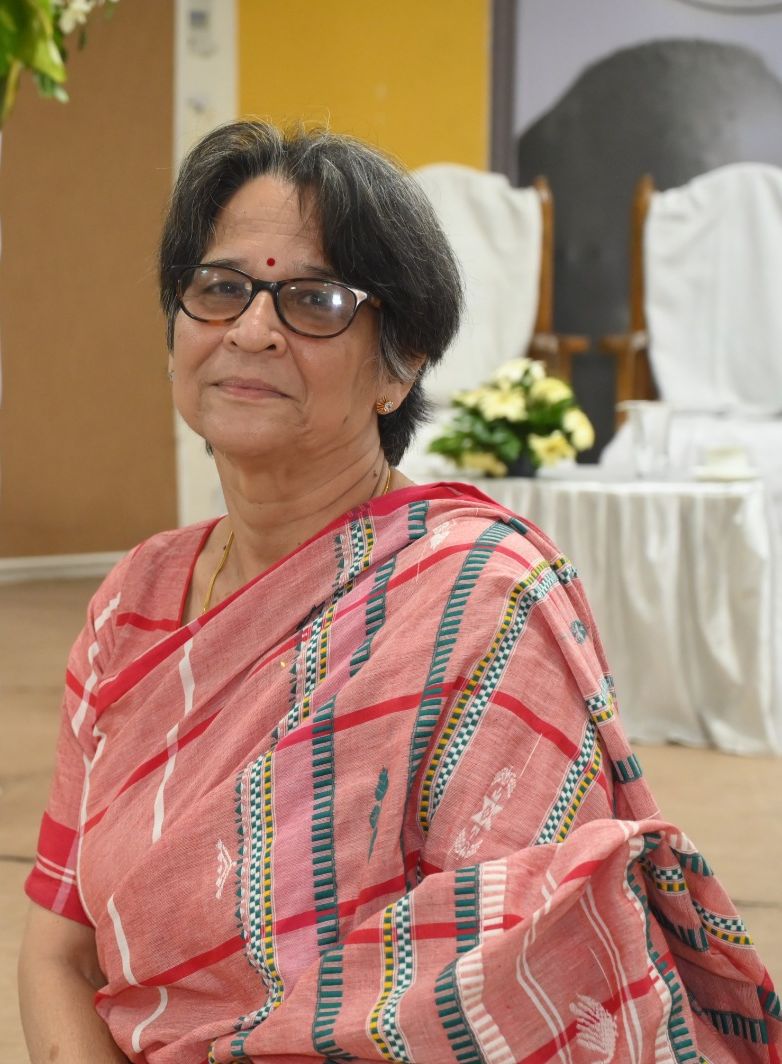 Sashiprava BindhaniFormer State Information Commissioner, Government of Odisha
Sashiprava Bindhani is a researcher, policy analyst, campaigner, trainer, and human rights defender with extensive experience in governance, public health, gender, and social justice. She served as State Information Commissioner, Odisha Information Commission, from 2015 to 2020, conducting hearings and training stakeholders on the Right to Information. A lawyer and former State Director of the Human Rights Law Network, she has worked extensively on women’s and children’s rights, health, marginalisation, and policy advocacy. She played a key role in advancing Odisha’s Prevention of Witch Hunting Act, 2014.
-
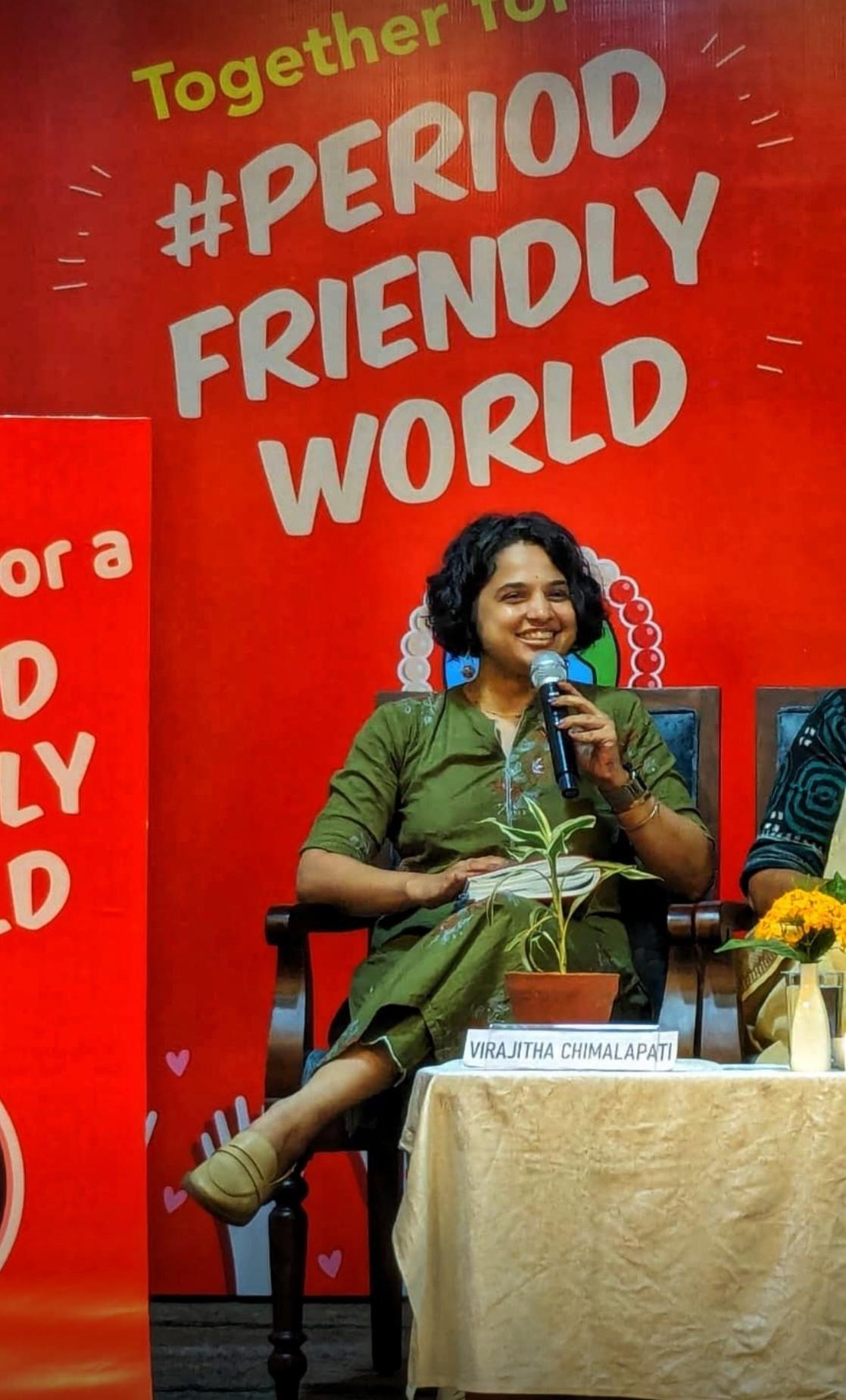 Virajitha ChimalapatiSenior Research Analyst, WRI India
Virajitha Chimalapati is a Senior Research Analyst with WRI India’s Sustainable Cities and Transport program, based in Bhubaneswar. She works on creating safe, healthy, inclusive public spaces for adolescents through stakeholder and community engagement. Her experience spans heritage conservation, community participation, disaster risk management, policy evaluation, and culture-led urban transformation across South Asia. She holds a Master’s in Architectural Conservation from SPA Delhi and a Bachelor’s in Architecture from Anna University. She is pursuing a PhD at the University of York on culture-based climate policy and digital governance.
Local Time
- Timezone: America/New_York
- Date: Sep 08 2026
- Time: 8:00 am - 10:30 am
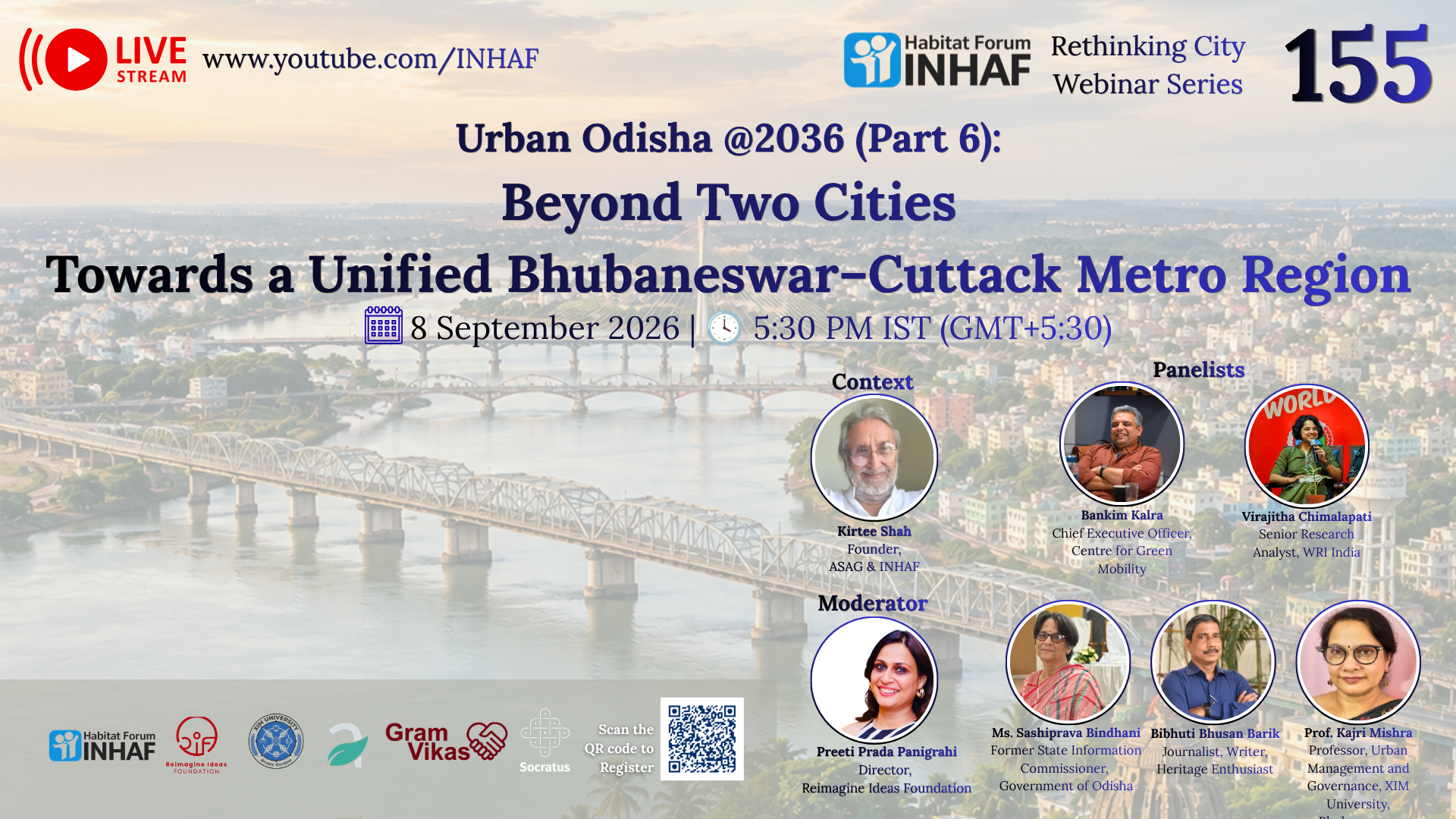
Urban Odisha @2036 (Part 6): Beyond Two Cities – Towards a Unified Bhubaneswar–Cuttack Metro Region
Odisha stands at a pivotal moment in its urban evolution, with each city playing a unique role in shaping the state’s economic, cultural, and climate futures. This webinar series, brings together leaders, experts, and urban thinkers to examine how cities can innovate, collaborate, and drive sustainable growth. From twin-city metropolitan integration to industrial modernization, cultural heritage stewardship, service-led expansion, and tribal-rooted urbanization, each session uncovers pathways for transformation. These dialogues aim to surface city-specific opportunities while building a shared understanding of Odisha’s urban trajectory. Together, we explore how every city can grow with dignity, sustainability, and resilience at its core.
Part 6: Beyond Two Cities – Towards a Unified Bhubaneswar–Cuttack Metro Region
Explores how Bhubaneswar and Cuttack can move from being two neighbouring cities towards a connected, inclusive and climate-resilient urban region, while preserving their distinct histories, cultures and civic identities.
The session expands the conversation beyond infrastructure and mobility to imagine a shared metropolitan future shaped around people, ecology and opportunity. It will bring together diverse perspectives on regional planning and governance, people-first mobility, public spaces, citizen participation, civic memory, heritage and local aspirations.
Through a moderated leadership dialogue, the session will explore five key mission areas: integrated mobility, rivers and ecology as regional infrastructure, dignified housing and neighbourhoods, complementary cultural and economic identities, and shared metropolitan governance. The discussion aims to identify a collective vision for the Twin Cities and pathways for coordinated action towards a more connected and sustainable urban future.