
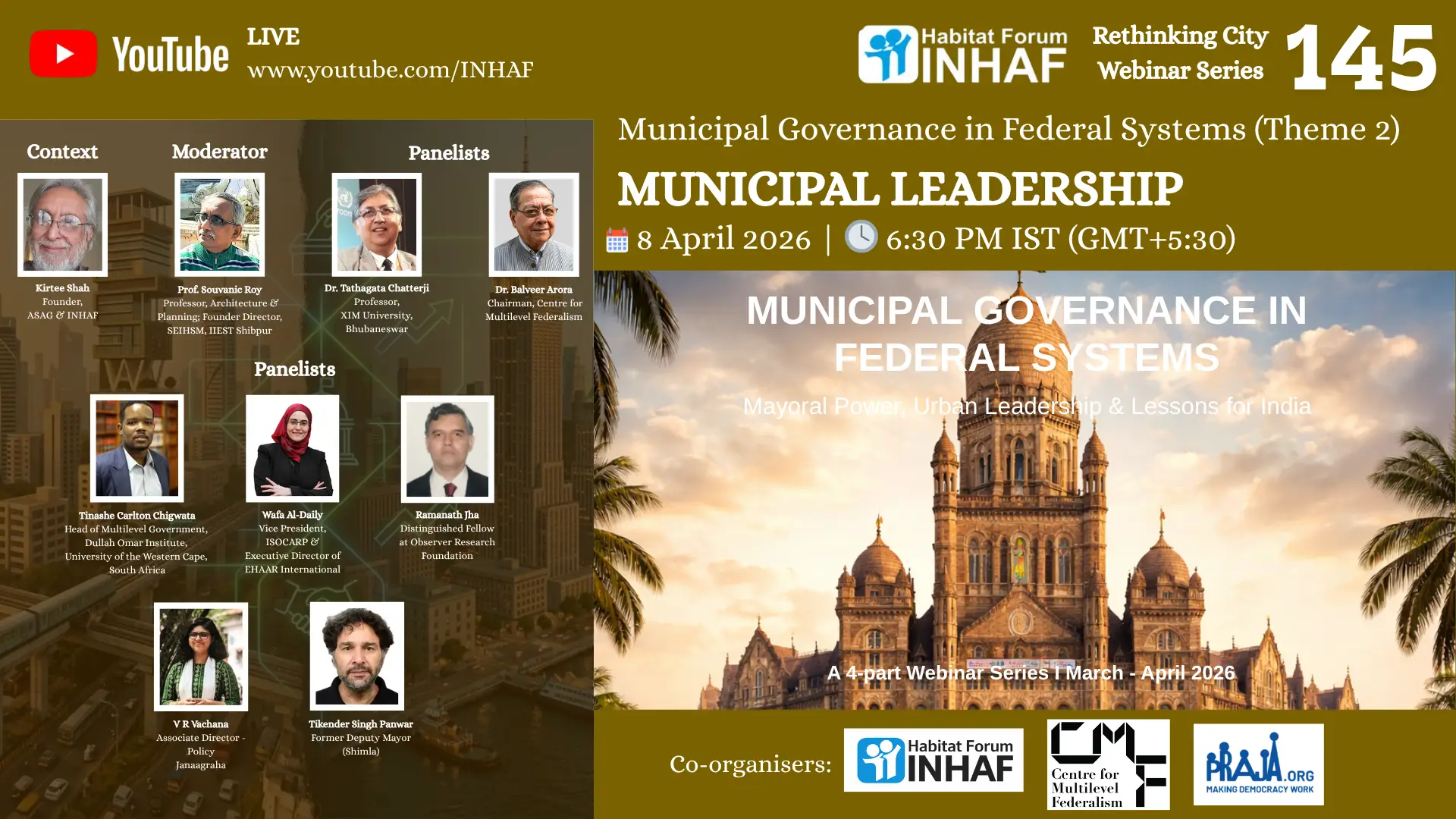
Speakers
-
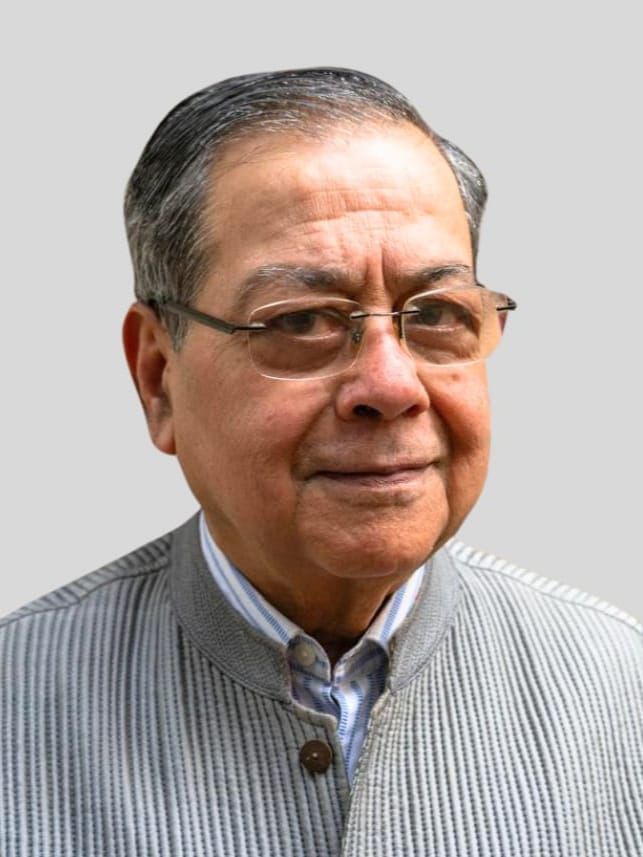 Dr. Balveer AroraChairman, Centre for Multilevel Federalism
Dr. Balveer Arora is Professor Emeritus and Founder Chairman of the Institute of Social Sciences’ Centre for Multilevel Federalism, New Delhi. He was earlier Professor of Political Science at Jawaharlal Nehru University (1973–2010), and also served as Rector and Pro-Vice Chancellor of JNU (2002–2005). He is Vice President of the Institut International Transcultura, Paris.
Professor Arora completed his Master’s and Doctorate in Political Science from Sciences Po Paris, at the University of Paris I (1972), after his Bachelor’s degree from St. Stephen’s College, University of Delhi (1964). He is a recipient of France’s highest civilian honour, Knight of the Legion of Honour, and is also an Officer in the French Order of Academic Laurels.
His current work focuses on Indian politics and international relations, particularly India–Europe relations in the contemporary world. He has written extensively on India’s federal democracy and its institutions. Dr. Arora is Chairman of the Board of Governors of the Centre for the Study of Developing Societies (CSDS, 2025–) and President Emeritus of the NGO Water for People India Trust.
-
 Dr. Ramanath JhaDistinguished Fellow, Observer Research Foundation
Dr. Ramanath Jha belongs to the 1977 batch of the IAS. In the 80s and 90s, he worked as Administrator Pandharpur Municipal Council, Administrator & Municipal Commissioner Solapur, Collector & Deputy Director Municipal Administration, Ahmednagar, Municipal Commissioner Pune and Metropolitan Commissioner, MMRDA. His subsequent postings were as Regional Advisor, South Asia for the Urban Management Programme of the UNDP/UN-Habitat, Vice Chairman & Managing Director of MSRDC and Principal Secretary, Transport, Ports and State Excise, GoM. He received the State Government’s Chinmulgund award for administrative excellence in 1989. He sought voluntary retirement from Government in 2008 and joined the private sector as CEO & MD, Khed Economic Infrastructure Pvt. Ltd. He is currently Chairman, Mumbai Heritage Conservation Committee (MHCC), Chairman, Mumbai Commission for Art, Culture and Music (MCAMC), Adviser, Mumbai Parking Authority (MPA), Director General, MCGM’s Centre for Capacity Building & Research (MCMCR) and Distinguished Fellow, Observer Research Foundation (ORF). He works on urbanisation, urban sustainability, urban governance and urban planning.
-
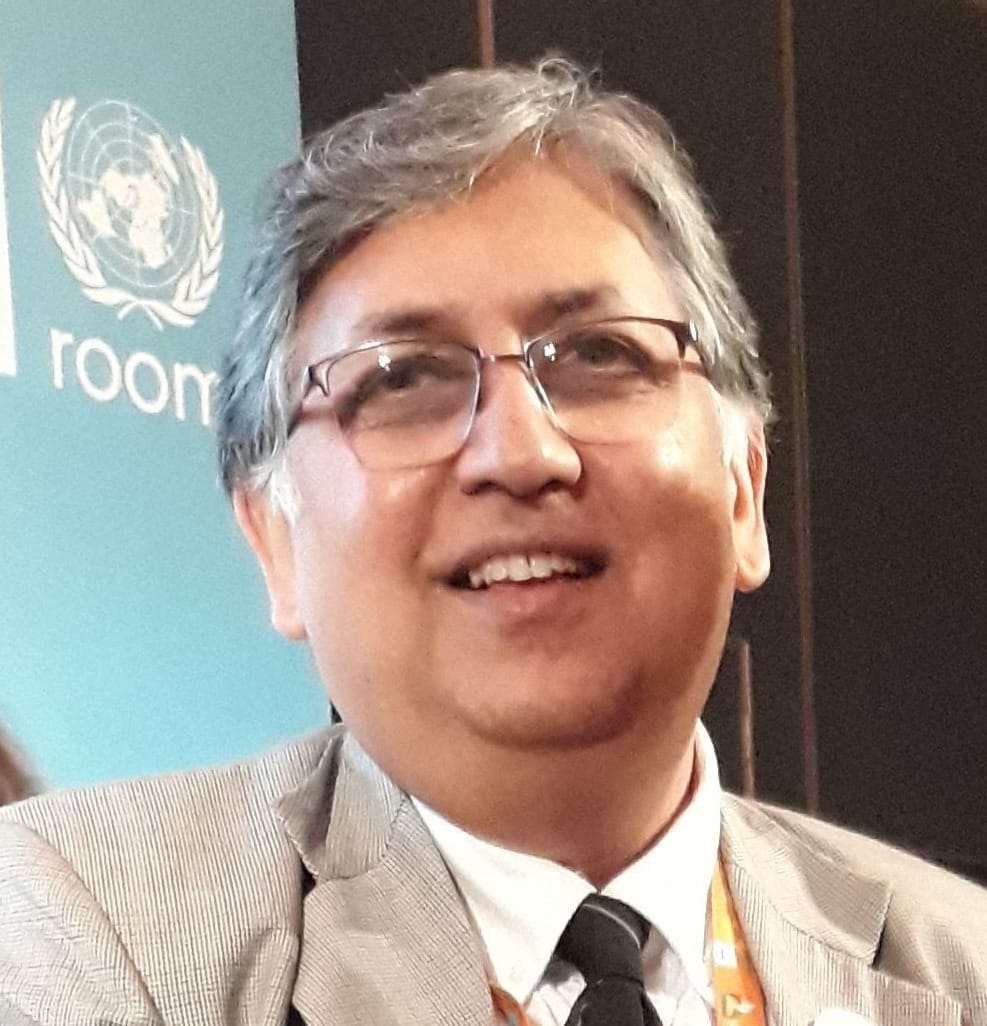 Dr. Tathagata ChatterjiProfessor, Xavier University, Bhubaneswar
Dr. Tathagata Chatterji is a Professor of Urban Management and Governance at XIM University, Bhubaneswar, where he concurrently teaches at both the School of Human Settlements and the School of Governance and Public Affairs. Broadly within the area of urban governance, his research interests include urban policies and institutions; digital technology applications in urban management; climate governance and social inclusion; and urban economy and informal livelihoods. A recipient of the Gerd Albers Award (2016) from ISOCARP (International Society of City and Regional Planners), Dr. Chatterji has written extensively on urban policy and governance in an international context. Presently, he is co-editing a book, City Economies in the Global South: Growth, Inclusion, and Sustainability, to be published by Routledge. He holds a PhD in Urban Planning and Governance from the University of Queensland, Australia.
-
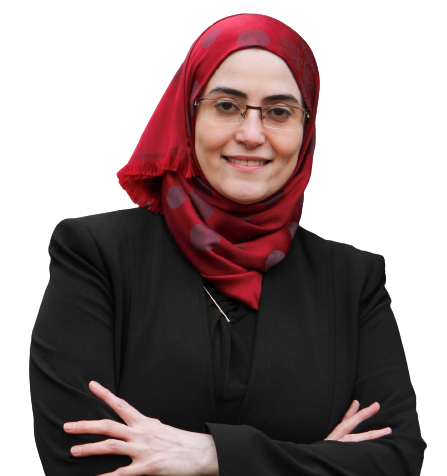 Dr. Wafa Al-DailyVice President, ISOCARP & Executive Director of EHAAR International
Dr. Wafa Al-Daily is a senior urban planning and international development leader with 25 years of experience across academia, government, and global institutions. Her work focuses on urban governance, recovery, and sustainable development, particularly in fragile contexts. As Co-Founder of EHAAR International, she leads multi-stakeholder initiatives and advises organizations like the UN and World Bank. She holds leadership roles at ISOCARP and the International Metropolitan Fellowship, and earned her PhD from Virginia Tech, receiving the AAUW International Fellowship.
-
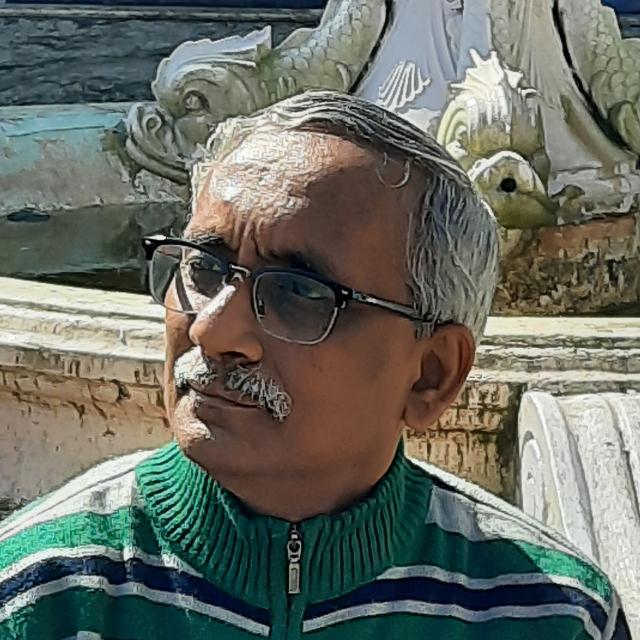 Prof. Souvanic RoyFounder Director, SEIHSM, IIEST, Shibpur
Dr. Souvanic Roy is Professor in the Department of Architecture and Planning and Founder Director of the School of Ecology, Infrastructure and Human Settlement Management at the Indian Institute of Engineering Science and Technology (IIEST), Shibpur, India. He is engaged in teaching, research, and advocacy in the areas of urban and environmental planning, conservation, climate change adaptation, and socio-ecological resilience in critical ecosystems.
He has coordinated a number of research and consultancy projects funded by national and international agencies and has published articles in books and international journals. He was Co-Investigator of the GCRF Living Deltas Research Hub led by Newcastle University, UK, supported by UKRI, and a member of the GCRF Equitable Resilience Commissioning Panel.
He is a recipient of the Ford Asia Fellowship by the Asian Scholarship Foundation (ASF), Bangkok, and the Indo-Canadian Fellowship by the Shastri Indo-Canadian Institute (SICI) for research excellence in socio-ecological resilience. He is a member of the Governing Council of India Habitat Forum (INHAF), Pune, and an empanelled expert for Urban Missions in the Ministry of Housing and Urban Affairs, Government of India. Prof. Roy is also a Co-Investigator of the international collaborative project on “Brownfield Regeneration of Jute Mills Land in Kolkata” with the Department of Urban Studies and Planning, MIT, USA.
-
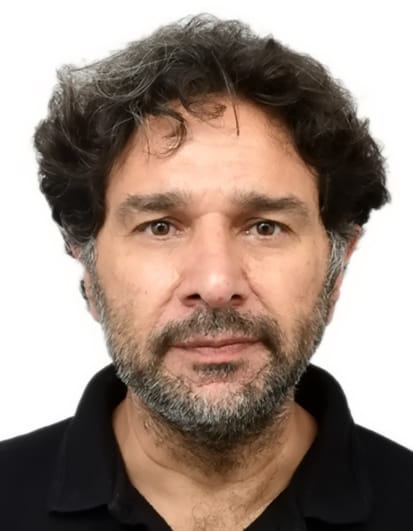 Tikender Singh PanwarFormer Deputy Mayor (Shimla)
Tikender is the former deputy mayor of Shimla, where he championed participatory urban planning and resilience. He authored four books on urbanization, contributes to national dailies on sustainability and Himalayan ecology, and was a speaker at COP21, UN Habitat III, and the BRICS conference. He advises urban think tanks, trains elected officials, and serves as convenor of NCU and professor of practice at Shoolini University.
-
 Tinashe Carlton ChigwataHead of Multilevel Government, Dullah Omar Institute, University of the Western Cape, South Africa
Tinashe Carlton Chigwata is Head of Multilevel Government and Deputy Director at the Dullah Omar Institute, University of the Western Cape, South Africa. He researches, teaches, and consults on local and regional governance, including elections and corruption. He leads postgraduate programmes in multilevel and local government. A prolific scholar, he has authored and edited several publications, including four books on governance in Southern Africa, and has overseen research on participation, transparency, accountability, and procurement.
-
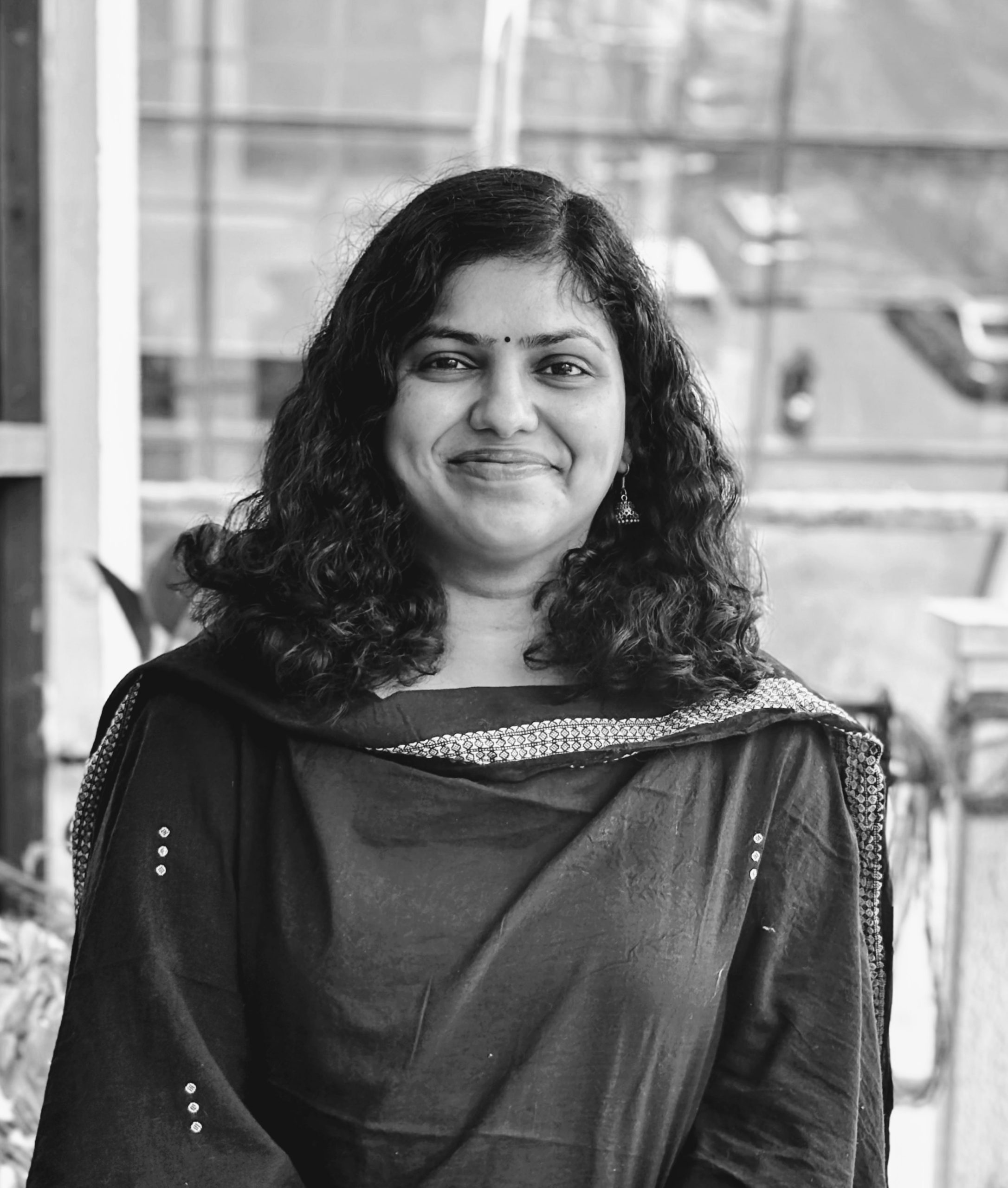 V R VachanaAssociate Director – Policy , Janaagraha and Jana Urban Space Foundation
V. R. Vachana is Associate Director – Policy at Janaagraha and Jana Urban Space Foundation, where she leads work on land, planning, and urban design within the broader context of urban governance. Her work spans urban policy research, thought leadership, and systemic policy engagement. She previously headed the Municipal Law and Policy Programme at Janaagraha, leading the Annual Survey of India’s City-Systems (ASICS) and associated reform initiatives, and also initiated the City Leaders Programme to strengthen women councillors’ leadership.
She has collaborated with institutions such as the Comptroller and Auditor General of India and the Principal Accountant General – Karnataka, including designing the audit matrix for India’s first performance audit of the 74th Constitutional Amendment, later scaled across 18 states. Her work also includes engagements with the XV Finance Commission, NITI Aayog, and other key institutions.
She holds a Master’s in Development (Public Policy) from Azim Premji University and a policy leadership certificate from the University of Cambridge, and was part of the British Council’s Future Leaders Connect programme in 2021.
Local Time
- Timezone: America/New_York
- Date: Apr 08 2026
- Time: 9:00 am - 11:30 am
Municipal Governance in Federal Systems (Theme 2): Municipal Leadership
Cities in federal systems operate within complex institutional arrangements, balancing authority, resources, and accountability across multiple levels of government. As urbanisation accelerates, metropolitan regions are emerging as key drivers of economic growth while simultaneously facing challenges of infrastructure stress, spatial expansion, inequality, and climate risks. Globally, debates on urban governance have increasingly focused on leadership structures, coordination mechanisms, and institutional design.
In India, despite the vision of decentralised governance under the 74th Constitutional Amendment, urban local bodies often face limited autonomy, weak fiscal capacity, and fragmented governance structures. Recent developments—such as reforms in metropolitan governance and evolving city-regional approaches—have renewed attention on how cities can be governed more effectively within a federal framework.
Objectives of the Webinar Series
This webinar series seeks to:
- Understand how different governance structures (single-tier vs multi-tier) shape urban management
- Compare leadership models, including executive mayors and commissioner-led systems
- Examine challenges faced by cities, particularly in service delivery and coordination
- Analyse fiscal systems, including intergovernmental transfers and urban financing mechanisms