
Speakers
-
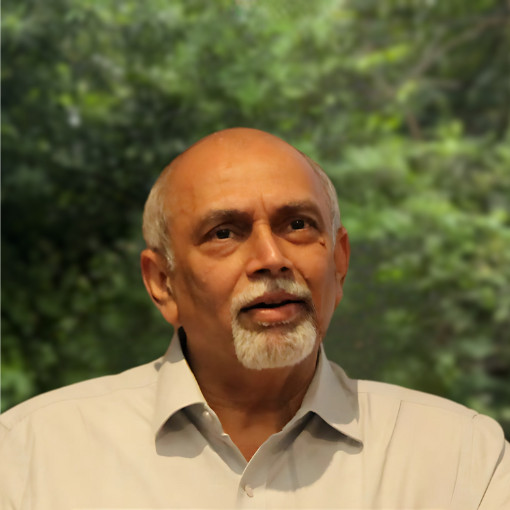 Dr. Ravikant JoshiSenior Fellow (Senior Finance & Governance) CPPR, Former Chief Accounts Officer, Vadodra Municipal Corporation
Dr. Ravikant Joshi is an Urban Finance and Management specialist and has worked in India and abroad. He is former chief accounts officer of Vadodara Municipal Corporation with more than 35 years of experience. He was responsible for the conceptualisation, designing and implementation of Municipal Financial, Budgetary and Accounting System Reforms and their computerization in Vadodara Municipal Corporation.
• At present since August 2019, Dr. Joshi is working as an Advisor to Urban Management Centre – Ahmedabad, also he is working as a freelance consultant.
• 2017 to 2019 Dr. Joshi worked as a Team Leader – Technical Support Group to National Urban Livelihood Mission – Ministry of Housing and Urban Affairs – Government of India
• Dr. Ravikant Joshi worked as an Advisor – Urban to CRISIL Risk and Infrastructure Solutions, Mumbai from 2002 to 2017.
• He has worked as a short-term consultant (STC) for multilaterals like World Bank, Water & Sanitation Program, ADB, USAID, DFID, UN Habitat, CLGF and for various national/state level organisations on urban issues.
• He conceived, designed and spearheaded implementation of Accrual Base Double Entry Accounting System in 159 municipal bodies of Gujarat. -
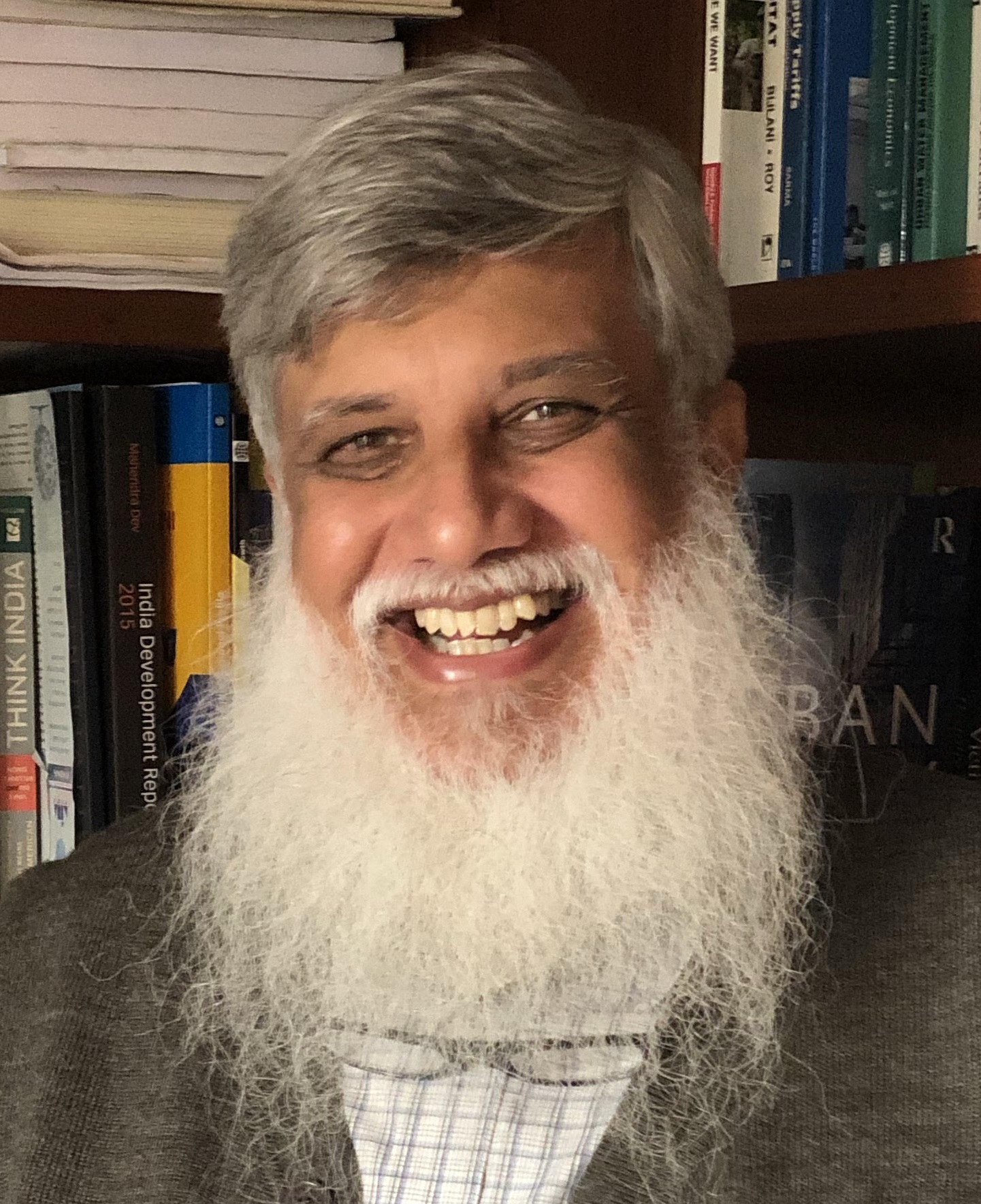 Partha MukhopadhyaySenior Fellow, Centre for Policy Research
Partha Mukhopadhyay joined CPR in 2006. He was previously part of the founding team at the Infrastructure Development Finance Company (IDFC), focusing on private participation in infrastructure. In previous positions, he has been with the Export Import Bank of India, and with the World Bank in Washington. He has been on the faculty at Indian Institute of Management, Ahmedabad, Xavier Labour Relations Institute, Jamshedpur and the School of Planning and Architecture in Delhi. He has published extensively, writes frequently for the national media and has also been associated with a number of government committees. Most recently, he was chair of the Working Group on Migration, Government of India and member of the High Level Railway Restructuring Committee, Ministry of Railways and of the Technical Advisory Committee of the Ministry of Housing and Urban Poverty Alleviation. He has previously been associated with the Committee on Allocation of Natural Resources and with the Prime Minister’s Task Force on Infrastructure. He also serves on the Scientific Advisory Council of LIRNEasia, Colombo.
He received his PhD in economics from New York University and an MA and M.Phil from the Delhi School of Economics. In 2006, he was chosen as one of the inaugural Fellows of the India China Institute, New School, New York and in 2016, he was a selected for a Residency at the Bellagio Center of the Rockefeller Foundation. His research interests are in urbanisation, infrastructure, and the development paths of India and China. -
 Prof. Jyoti ChandiramaniDirector, Symbiosis School of Economics
Prof. Jyoti Chandiramani is the Director of the Symbiosis School of Economics, Dean of the Faculty of Humanities and Social Sciences, and Head of the Symbiosis Centre for Urban Studies (SCUS) at Symbiosis International (Deemed University). With over 40 years of teaching experience, she has taught economics, trade, finance, and urban development.
Her research focuses on urban economic development, including mobility, infrastructure, and policy, along with international development cooperation. She has led and contributed to projects with organisations such as NABARD, ITDP, UNICEF, and INHAF, and has guided several PhD scholars. She also serves as a Board Member of the Forum for India Development Cooperation.
Local Time
- Timezone: America/New_York
- Date: Apr 06 2026
- Time: 8:30 am - 10:30 am
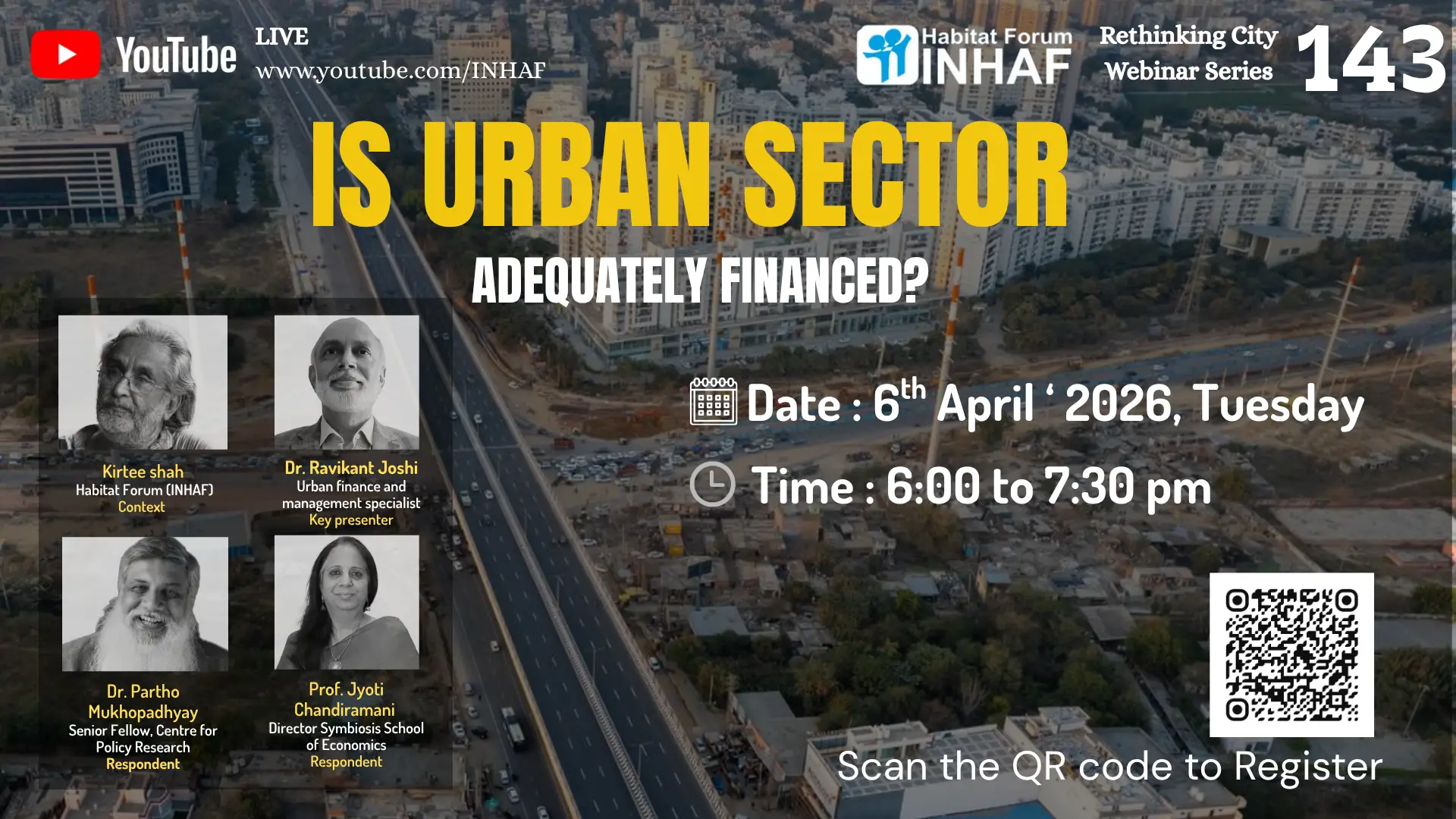
Is the Urban Sector Adequately Financed?
As cities continue to drive economic growth and absorb a growing share of the population, the question of whether the urban sector is adequately financed has become increasingly critical. Urban local bodies in India face persistent challenges in mobilising sufficient financial resources to meet rising demands for infrastructure, service delivery, and climate resilience.
Despite various reforms—such as fiscal devolution through Finance Commissions, the introduction of municipal bonds, and centrally sponsored schemes—gaps remain in revenue generation, financial management, and access to capital markets. Issues of limited own-source revenues, dependence on intergovernmental transfers, and capacity constraints further complicate the financing landscape.
This session aims to explore the adequacy, efficiency, and sustainability of current urban financing mechanisms, while reflecting on emerging opportunities, institutional reforms, and global best practices to strengthen the fiscal foundations of cities.